Wiltshire · BA14
Tilers in Trowbridge
Good tiling is mostly preparation. We check the wall or floor underneath, set the layout out from the middle, and finish with straight lines and tidy grout.
Rated Excellent on Rated PeopleTiling in Trowbridge
Hiring a tiler in Trowbridge is mainly a question of what the tiles are going on. The town has solid-walled terraces where plaster can be damp low down, 1930s semis with solid floors, post-war houses with rough screeds and newer homes with plasterboard and chipboard. Tiles do not fix the surface beneath them. They show every fault in it, and they break if it moves.
So we start underneath. We test the walls for damp and hollow patches, level or board the floor where it needs it, prime plasterboard, and waterproof the areas that get wet. Only then do we set out the layout, usually from the middle of the wall or room so the cuts at both ends match, and fix the tiles with the right adhesive. Grouting and flexible sealant at the corners come last.
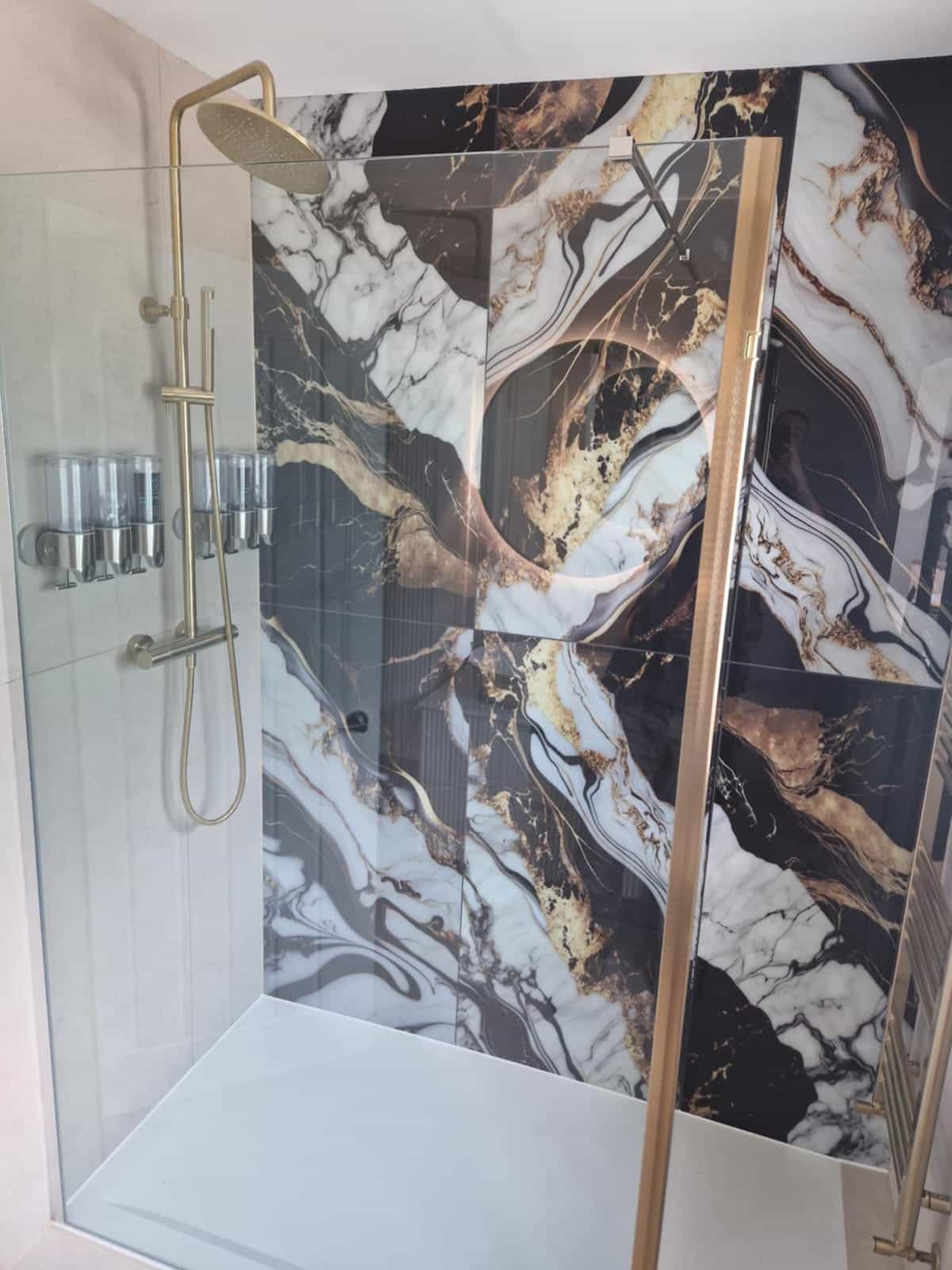
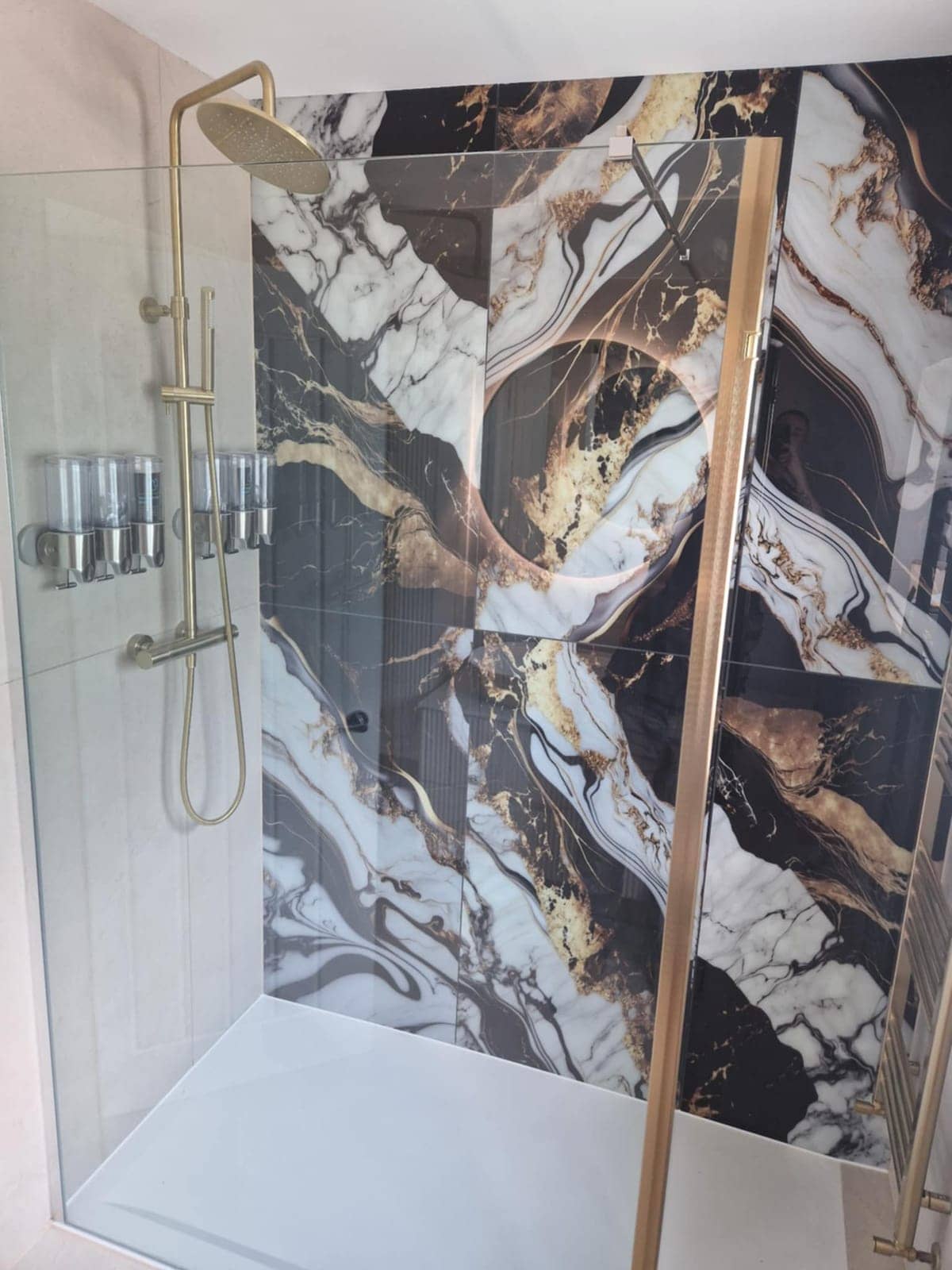
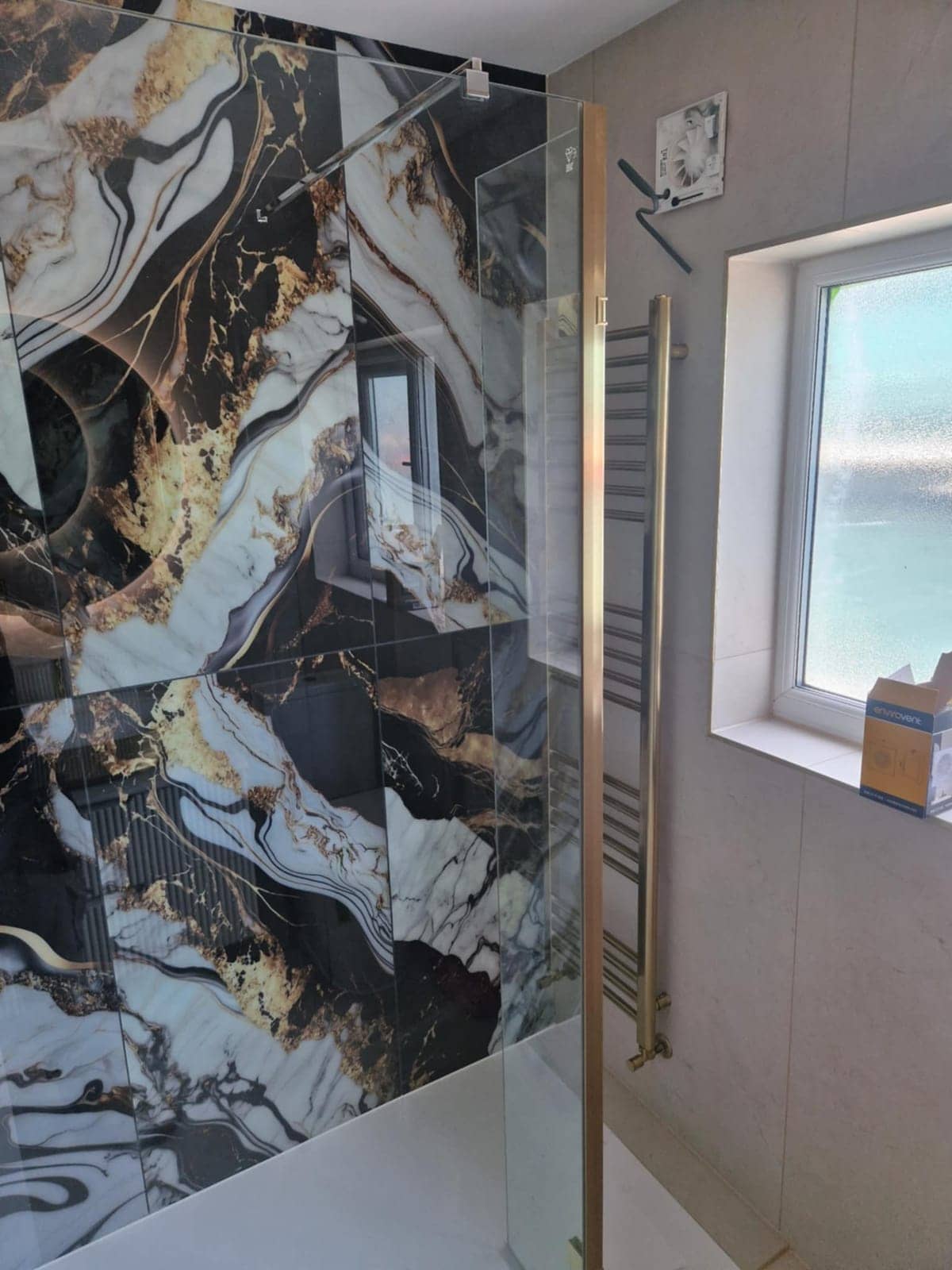
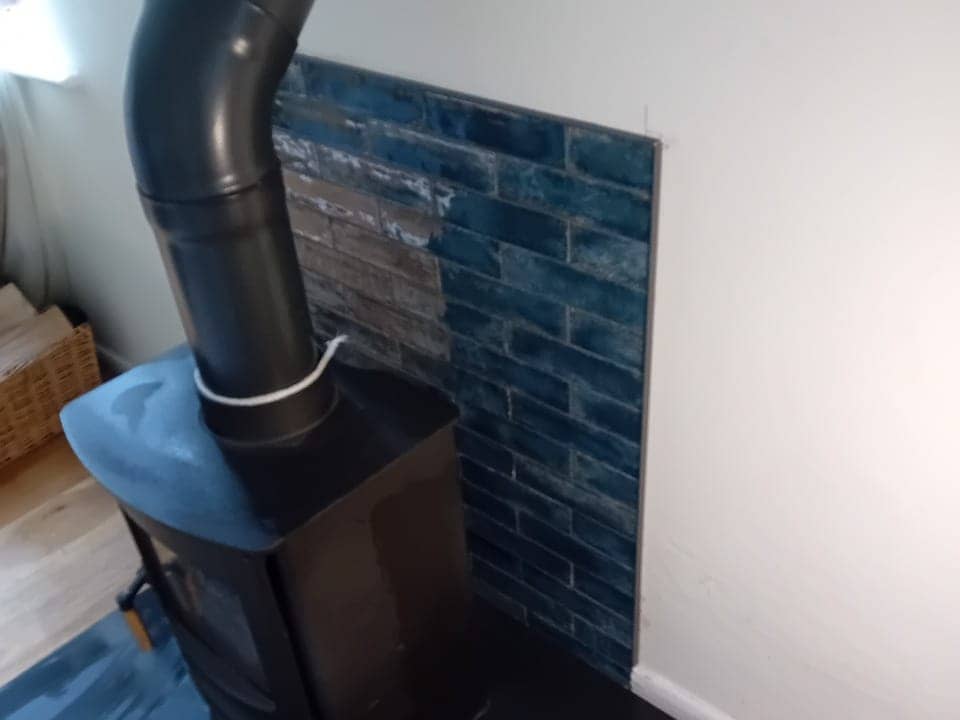
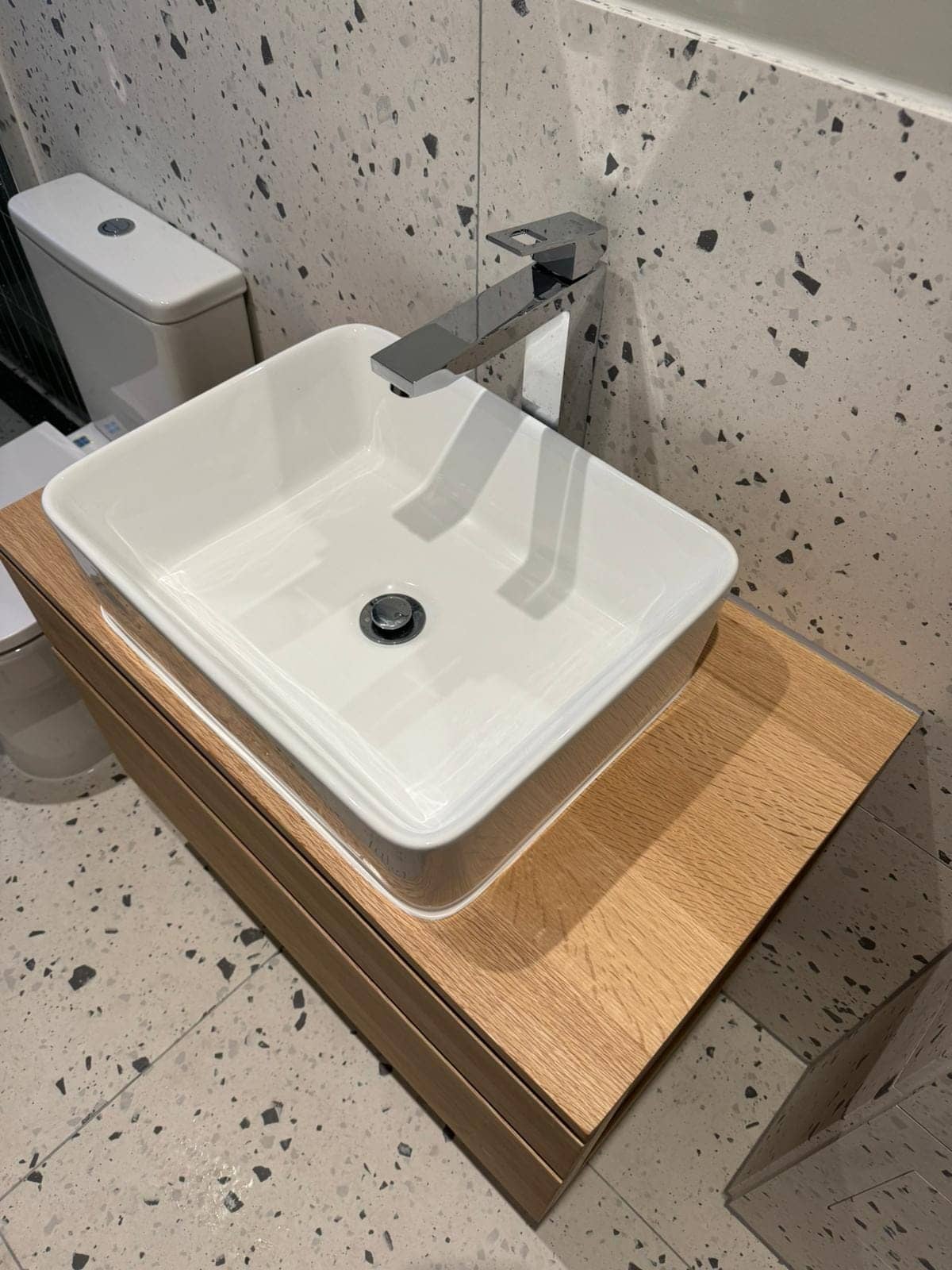
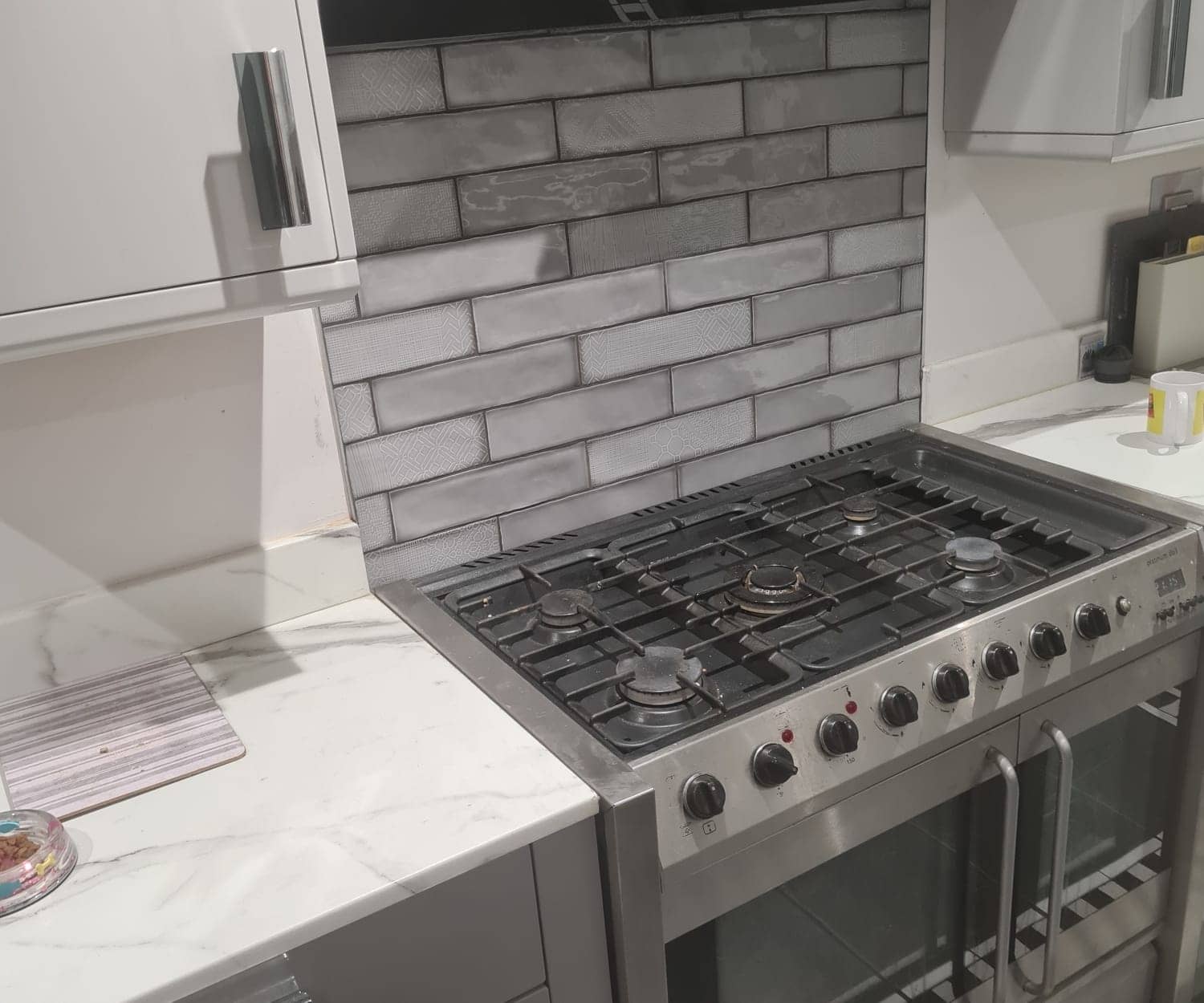
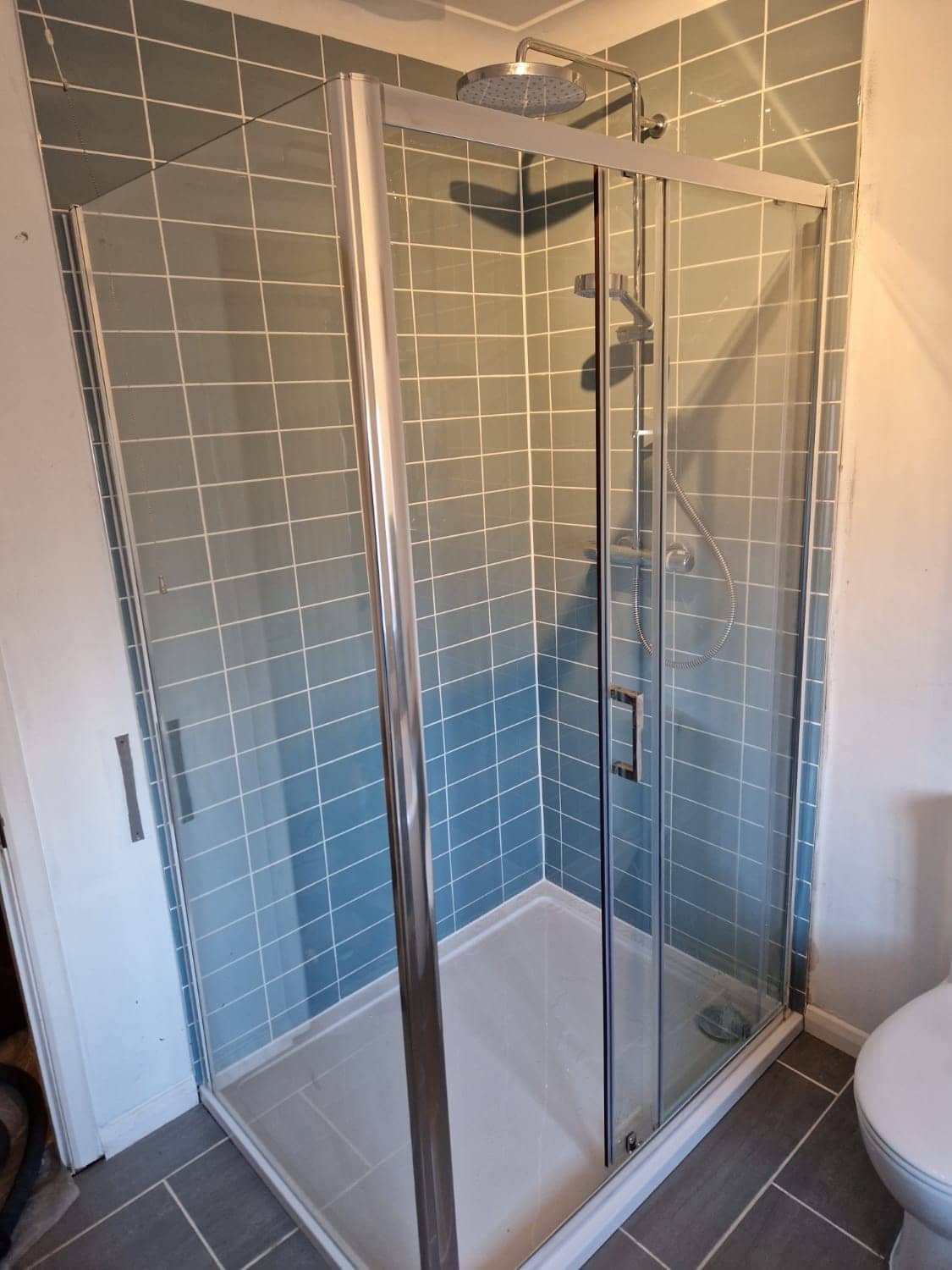
We tile bathroom walls and floors, kitchen splashbacks and floors, hallways, hearths and feature walls, in anything from small mosaics to large porcelain. Send photos of the area and a rough size, and tell us what tile you have in mind, and we will give a free quote without obligation.
Watch
How we approach tiling
A 31-second look at the way we work, from our base in Frome to homes in Trowbridge and the villages around it.
In this video
- Walls and floors
- Preparation first
- Level, waterproof, set out
- Metro, porcelain, mosaics
Homes in Trowbridge
Tiling in Trowbridge: what we look out for
- Victorian & Edwardian terraces
- Solid brick or stone walls in a terrace can hold damp low down, and salts working through the plaster will push tiles off the wall. We press on the plaster, look for stains above the skirting, and trace the cause outside, such as a blocked gutter or ground built up against the wall, before tiling. Floors are timber and flex, so tiled floors need overboarding or a decoupling layer to avoid cracked grout.
- 1920s–30s semis & detached homes
- Bays, chimney breasts and alcoves bring a lot of awkward cuts, and there is often a fireplace or old hearth to deal with. We plan the layout from the centre of each wall so the cuts land evenly at the edges. Downstairs floors are generally solid, which makes a good base for floor tiles once any hollows are levelled and any old adhesive is scraped off.
- 1950s–70s estate homes
- Walls in the 1950s to 1970s estates may carry a textured finish or loose plaster that has to come off before tiles will stay on. Floors can be an old screed that has cracked or sits uneven. In small rooms with plain walls, larger tiles cut down on grout lines and look calmer, provided we level the floor or board the wall first so they sit flat.
- Modern & new-build homes
- Plasterboard walls need priming, and boarding in wet areas, before tiles go on. Chipboard floors flex enough to crack tiles and grout unless they are stiffened or overboarded. Dimensions look standard, but walls are not always as flat as they appear, so we check with a long straightedge before recommending large tiles, which show any bow in the wall.
Planning in Trowbridge
What to plan for with tiling in Trowbridge
Look at the lower third of the wall
In a solid-walled terrace, damp usually shows low down first. Look for stains, flaking paint or a tide mark above the skirting before you book a tiler. Tiles hide the problem for a while and then lift. If the wall is damp, the cause outside, such as a gutter, ground level or pointing, is dealt with first, and the wall is given time to dry.
Decide where the cuts will fall
Setting out is what makes tiling look straight. Tiles are laid from a centre line or a visible feature, such as a window or a basin, so the cut tiles at the ends are equal and not thin slivers. Bays and alcoves in the semis make this matter even more. Tell us which wall you will look at most, and the layout starts from there.
Allow for movement joints and sealant
Walls and floors move slightly with the seasons and the weight of use. Rigid grout in corners, where tiles meet a bath, or across a big floor eventually cracks. Flexible sealant in the corners and movement joints in larger floors let the surface shift without breaking. We plan these before the first tile goes down, because they affect the layout and the finishing trims.
What customers say
Real reviews from real homeowners
“Pleasant polite tidy, carried out work quickly and efficiently”
“I would highly recommend Krzysztof he was professional, good time keeper and took pride in his work very pleased with the finished Bathroom makeover”
Written reviews are copied word for word from our public Rated People profile. The Google rating comes from our public Google Business Profile.
Getting started
Getting a tiling quote in Trowbridge
- 1Message us on WhatsApp with photos, rough measurements and what you would like done.
- 2We ask anything else we need and give you a free, no-obligation quote. Larger jobs usually need a visit first.
- 3You agree the plan and we book you in. One person, one point of contact, start to finish.
- Our base in Frome
- Main areas
- Local villages
- Also covering
- Areas we cover →
- Frome
- Beckington
- Rode
- Westbury
- Warminster
- Radstock
- Trowbridge
- Bradford on Avon
- Great Elm
- Berkley
- Lullington
- Buckland Dinham
- Whatley
- Nunney
- Chapmanslade
- Mells
- Trudoxhill
- Corsley
- Cloford
- Dilton Marsh
- Witham Friary
- Norton St Philip
- Wanstrow
- Southwick
- North Bradley
- Freshford
- Bratton
- Hilperton
- Midsomer Norton
- Shepton Mallet
- Bath
- Melksham
- Wells
- Keynsham
- Corsham
- Devizes
- Chippenham
- Bristol
Questions
Tiling in Trowbridge: FAQs
There is a tide mark near the skirting in my terrace. Can I tile over it?
Not yet. A tide mark usually means moisture or salts are coming through the wall, and tiles stuck over it tend to lift. We look at the wall, check outside for gutters, pointing and ground levels, and advise whether it needs drying out or a different backing before any tiling. Send photos of the wall and the outside of the house.
Can I tile a floor in a newer house with chipboard underneath?
Yes, if the floor is stiffened and overboarded first. Chipboard flexes, and tiles and grout crack on a flexing floor. We screw down any loose boards, add a rigid tile backer or decoupling layer, and prime before laying. Keep the chipboard dry and tell us what is under the covering so we can plan the right build-up.
How many tiles should I order?
Buy a box or two more than the measured area, because cuts and breakages use more than the floor plan suggests. Diagonal layouts and bays use more still. Keep spare tiles afterwards, since the same batch is hard to match later. Send us the room size and your layout idea and we will say how much to order.
More in Trowbridge
Other services in Trowbridge
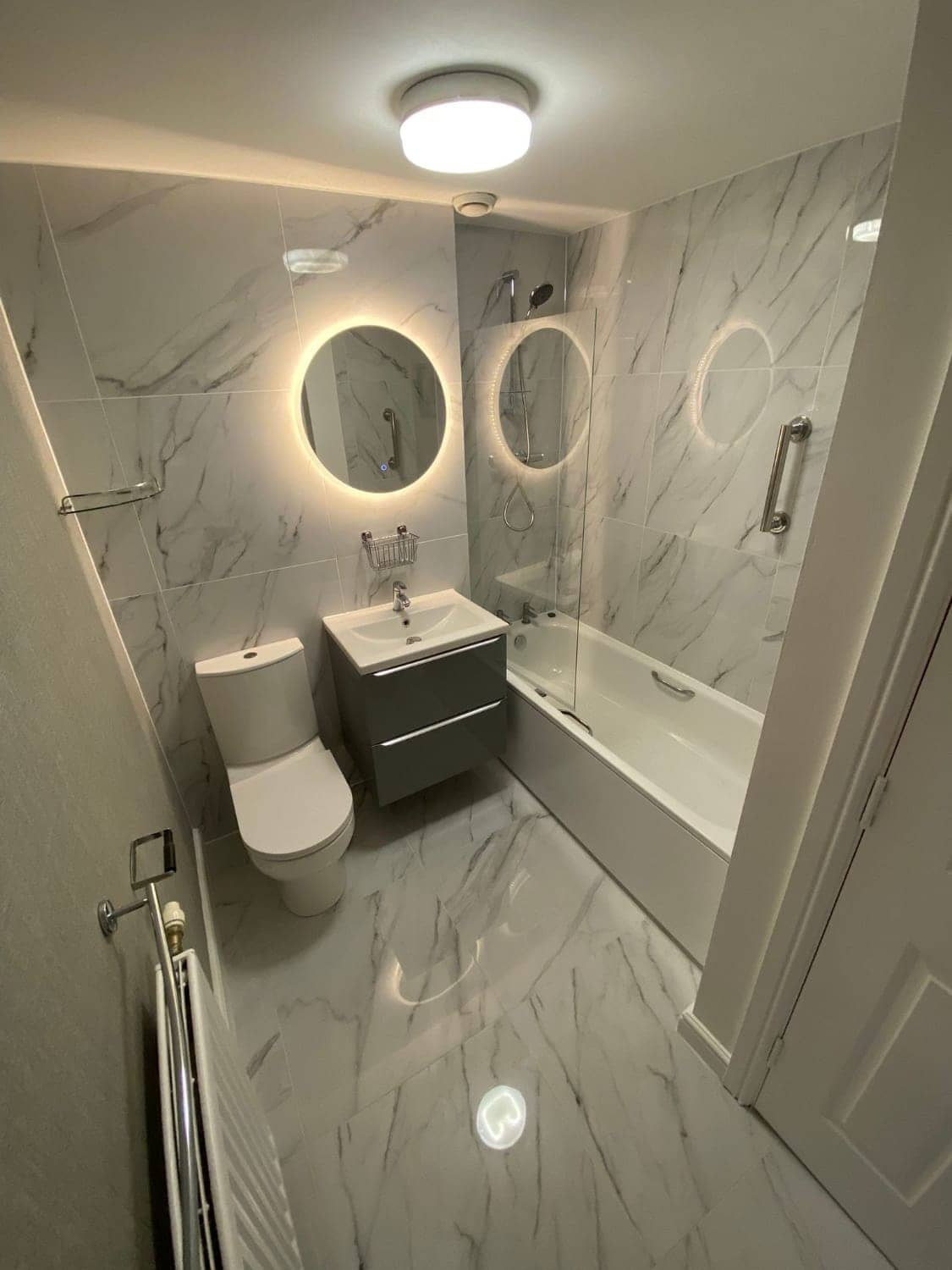
Bathroom Fitter in Trowbridge
Back-extension bathrooms, separate-WC semis and compact estate rooms each need their own plan. We strip out, rebuild and finish the room without handing it between trades.
See details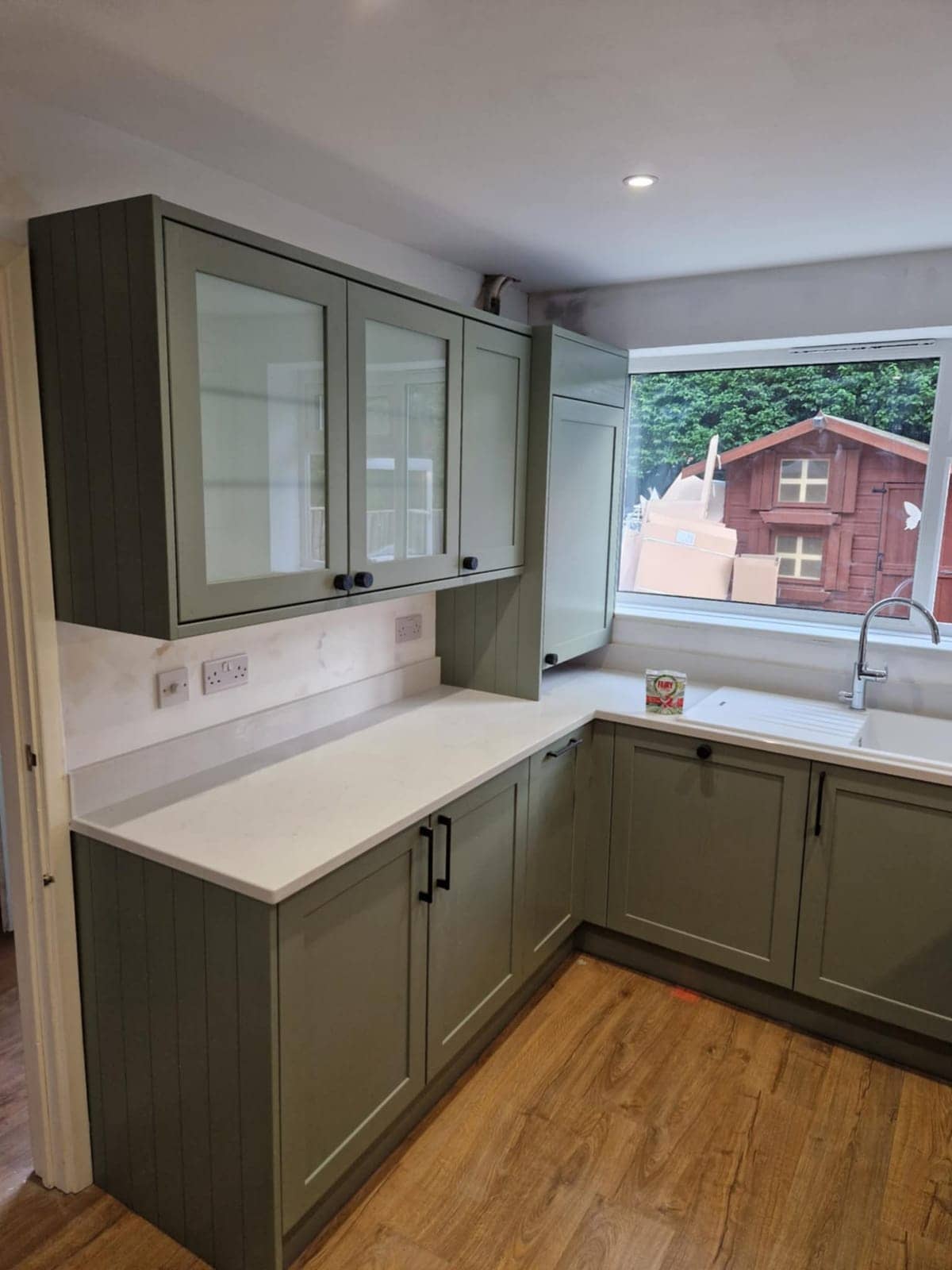
Kitchen Fitter in Trowbridge
A narrow terrace kitchen, a 1930s semi with a wall to question or a tight-fitting estate house: we plan the layout first, then fit it all ourselves.
See details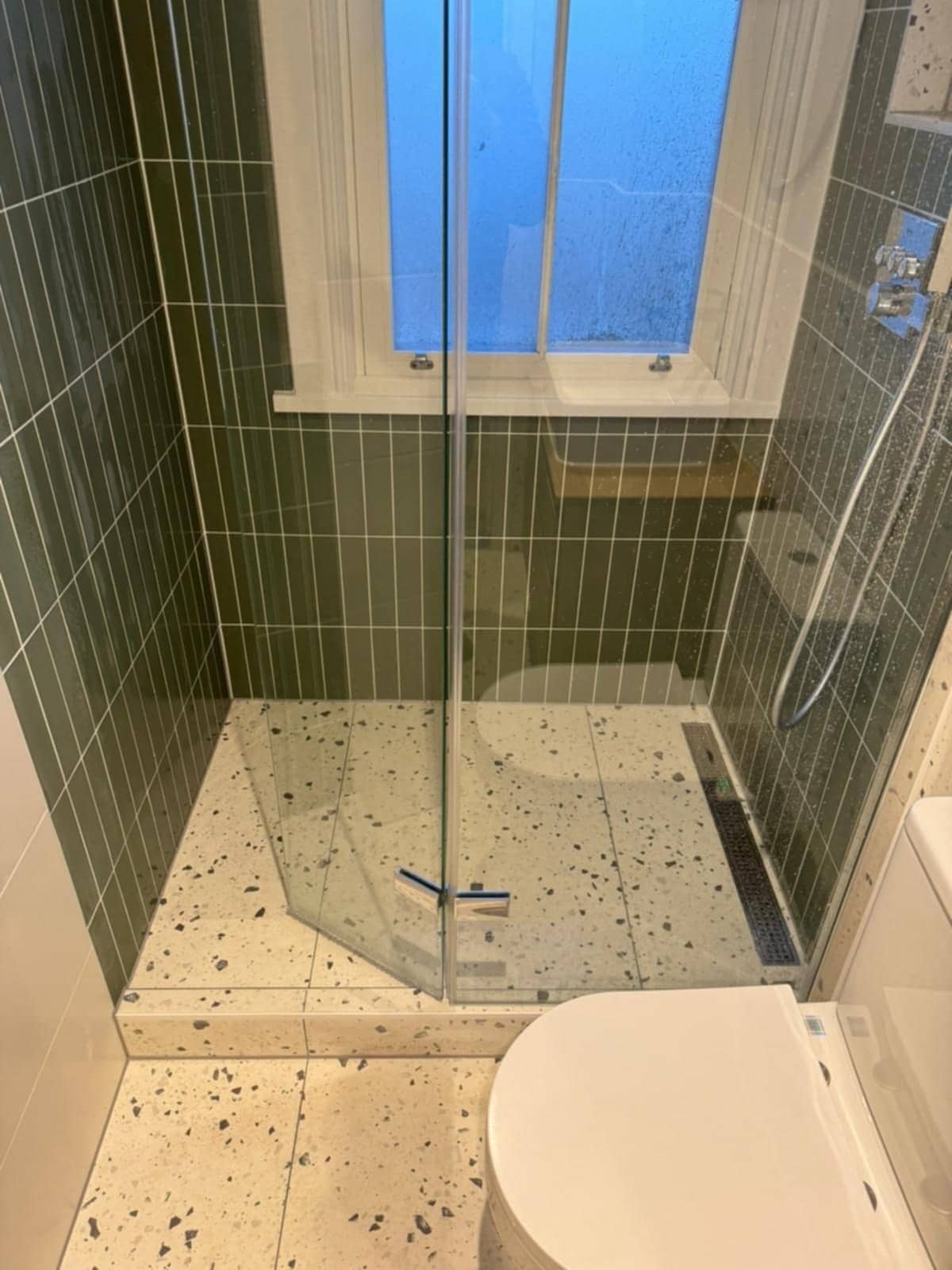
Shower & Wet Room Installer in Trowbridge
A wet room only works if the water drains and the walls stay dry. We set the falls, tank the room and fit the shower in one go.
See details
Tilers nearby
Villages near Trowbridge
Tilers in other areas
Free, no-obligation
Get your free quote
The quickest route to an accurate price is a WhatsApp message with photos. The more you can tell us, the more precise we can be.
- A few photosThe room as it is now, from the corners, plus anything awkward like pipes, windows or radiators.
- Rough measurementsWall lengths are plenty to start with. We will confirm exact sizes before ordering anything.
- What you wantWhat stays, what goes, any products you have already chosen, and when you would like it done.