Bath and North East Somerset · BA1, BA2
Tilers in Bath
Good tiling in Bath depends on what is under the tile: lime plaster, bouncy boards and walls that are far from flat. We prepare those before the first tile goes up.
Rated Excellent on Rated PeopleTiling in Bath
Every tiling job here begins by tapping the wall. A tiler in Bath spends as much time on what sits behind the tile as on the tile itself, because the older houses are solid stone with lime plaster that can be firm in one patch and powdery a hand’s width away. Adhesive only holds as well as the surface it is stuck to.
Floors need the same honesty. Boards flex, and a rigid tile on a flexing board cracks along the joints, so a timber floor is overboarded or given a decoupling layer first. Setting out matters just as much on tall walls and around chimney breasts, because a thin cut tile in a visible corner is the thing people notice for years. We mark out from the centre line and the eye line of the room, and move the cuts to where they will not be seen.
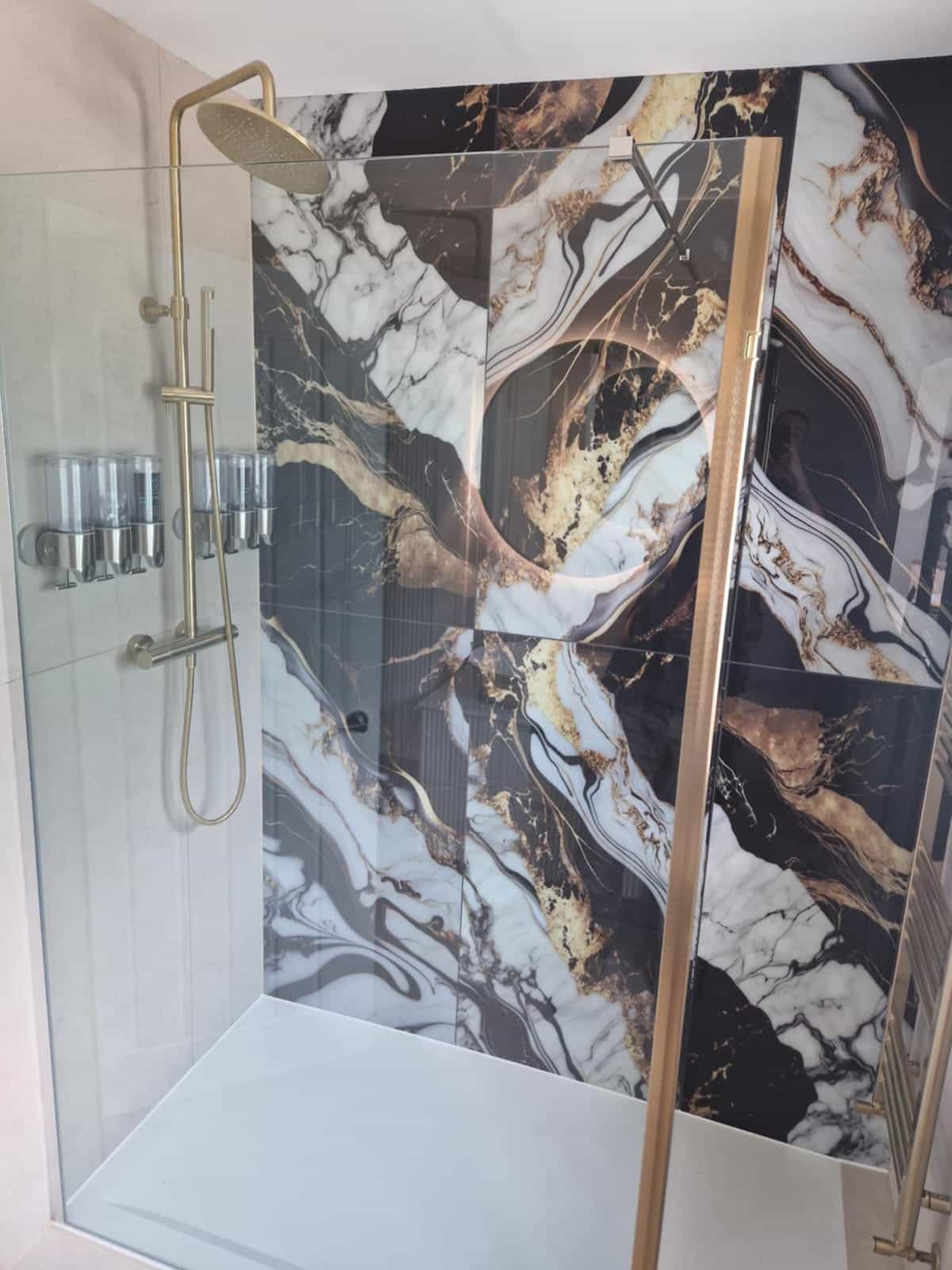
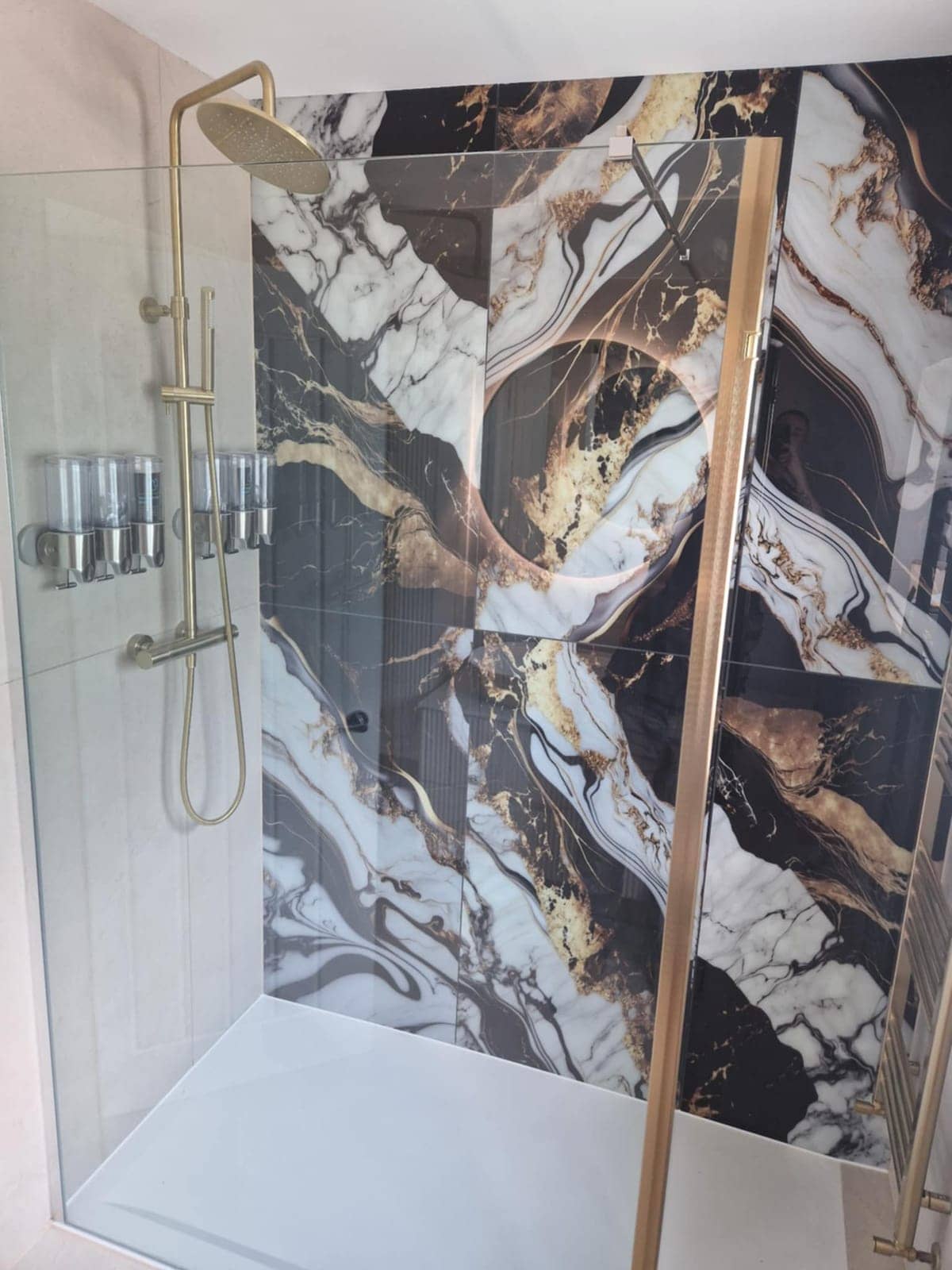
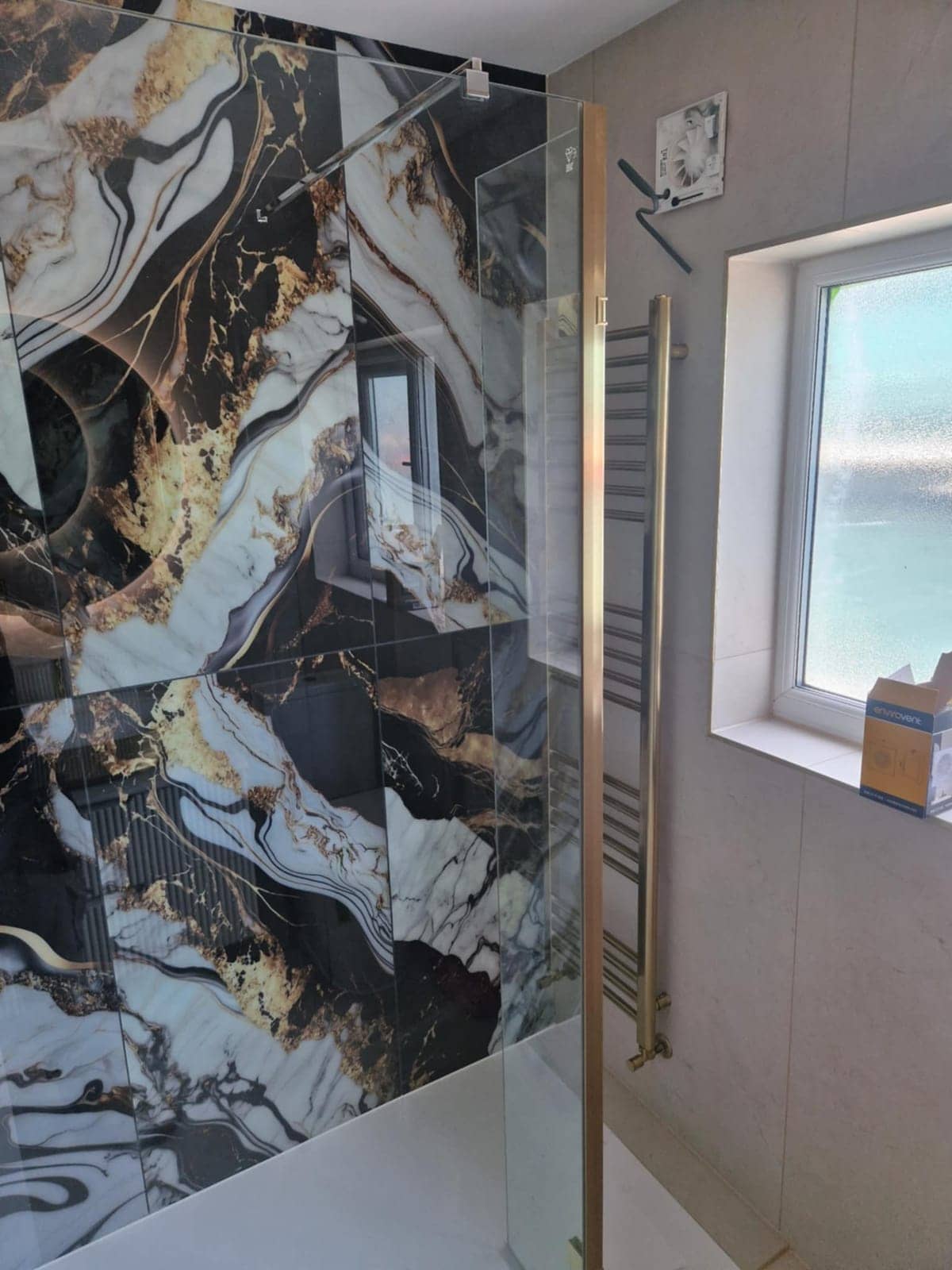
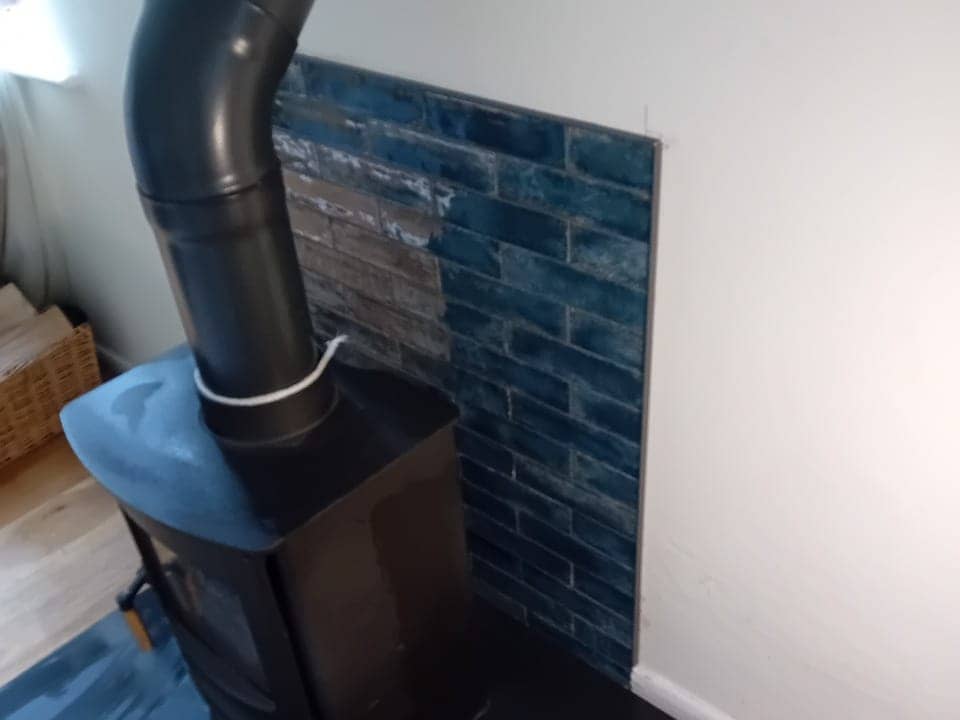
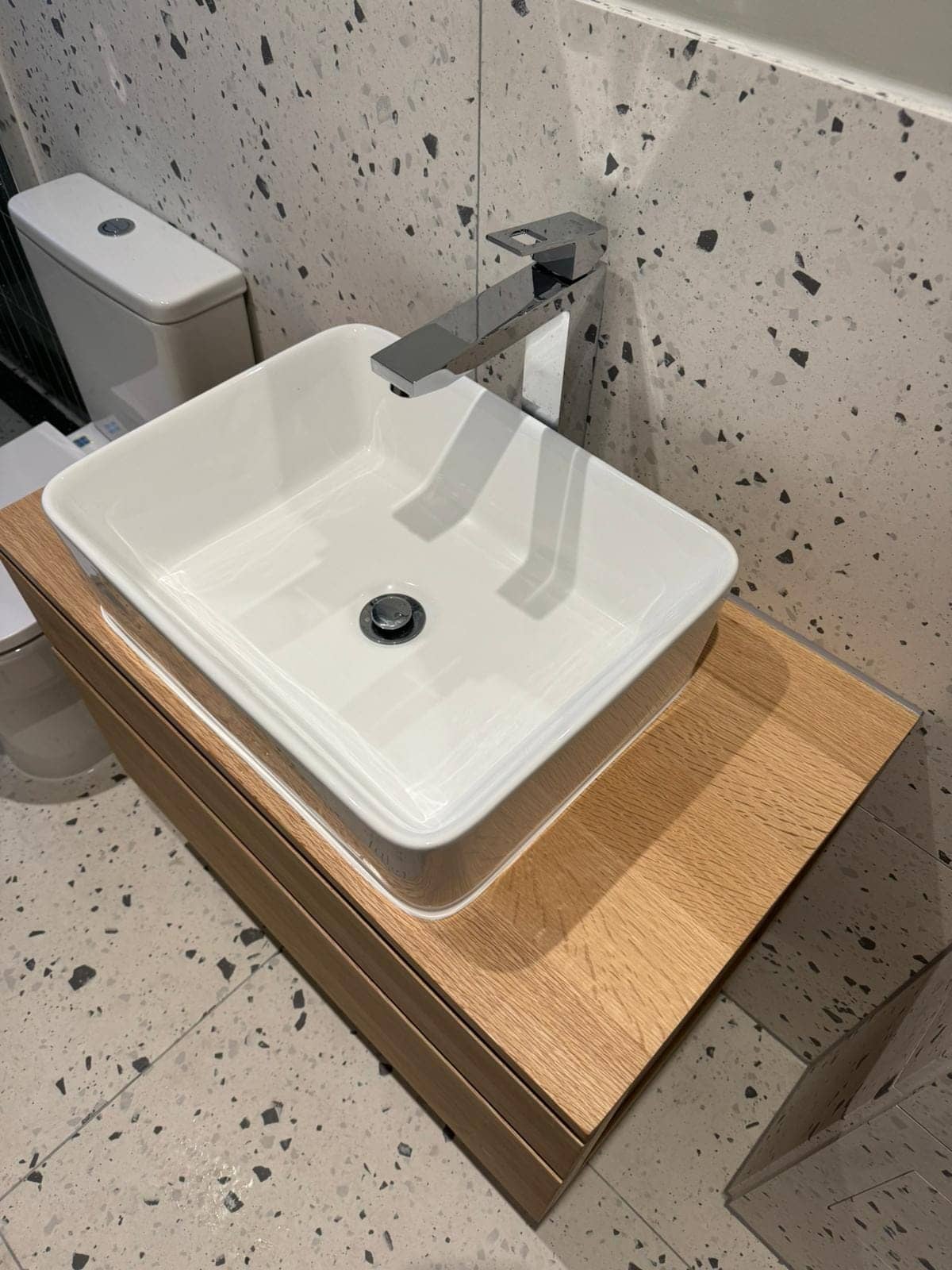
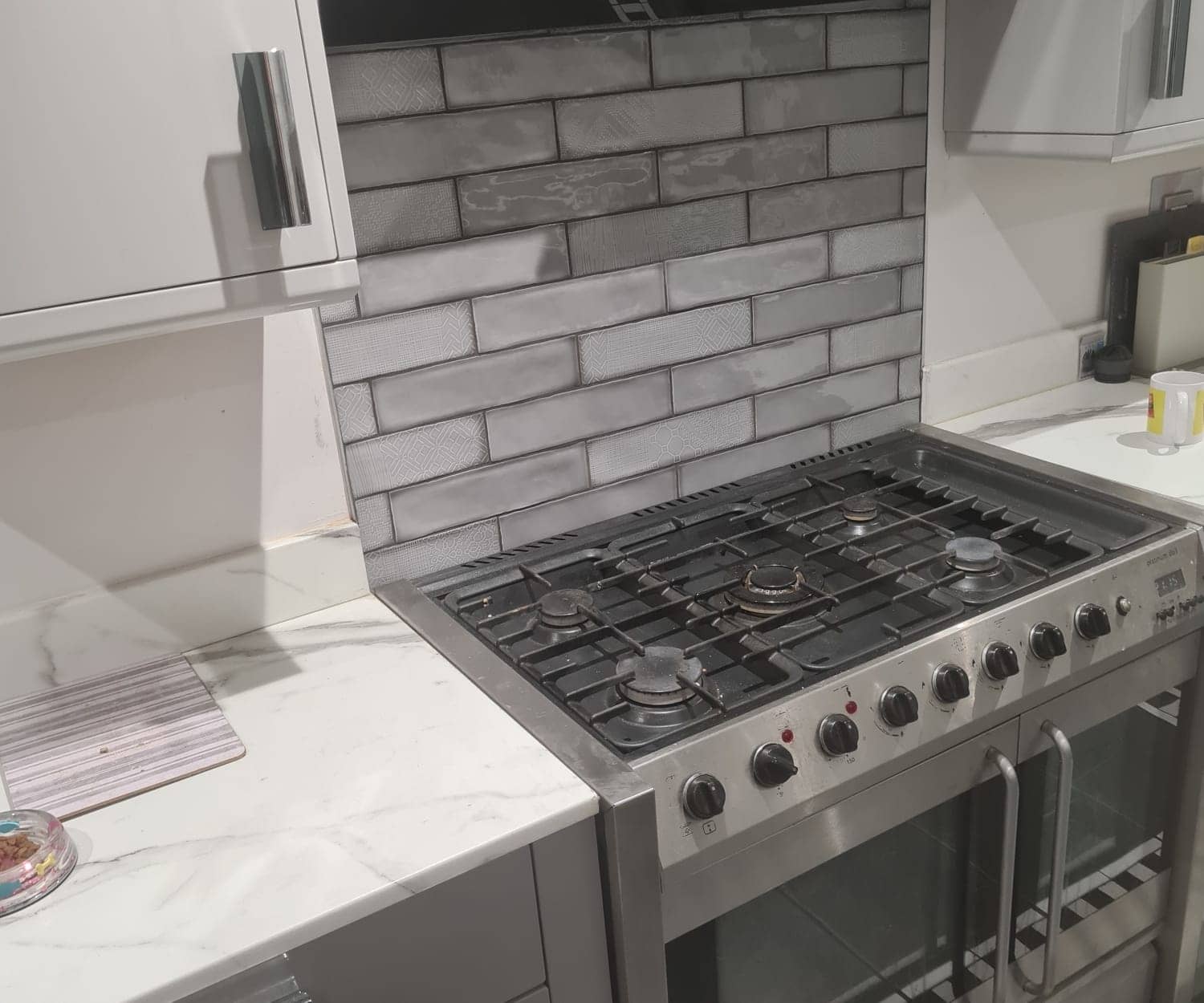
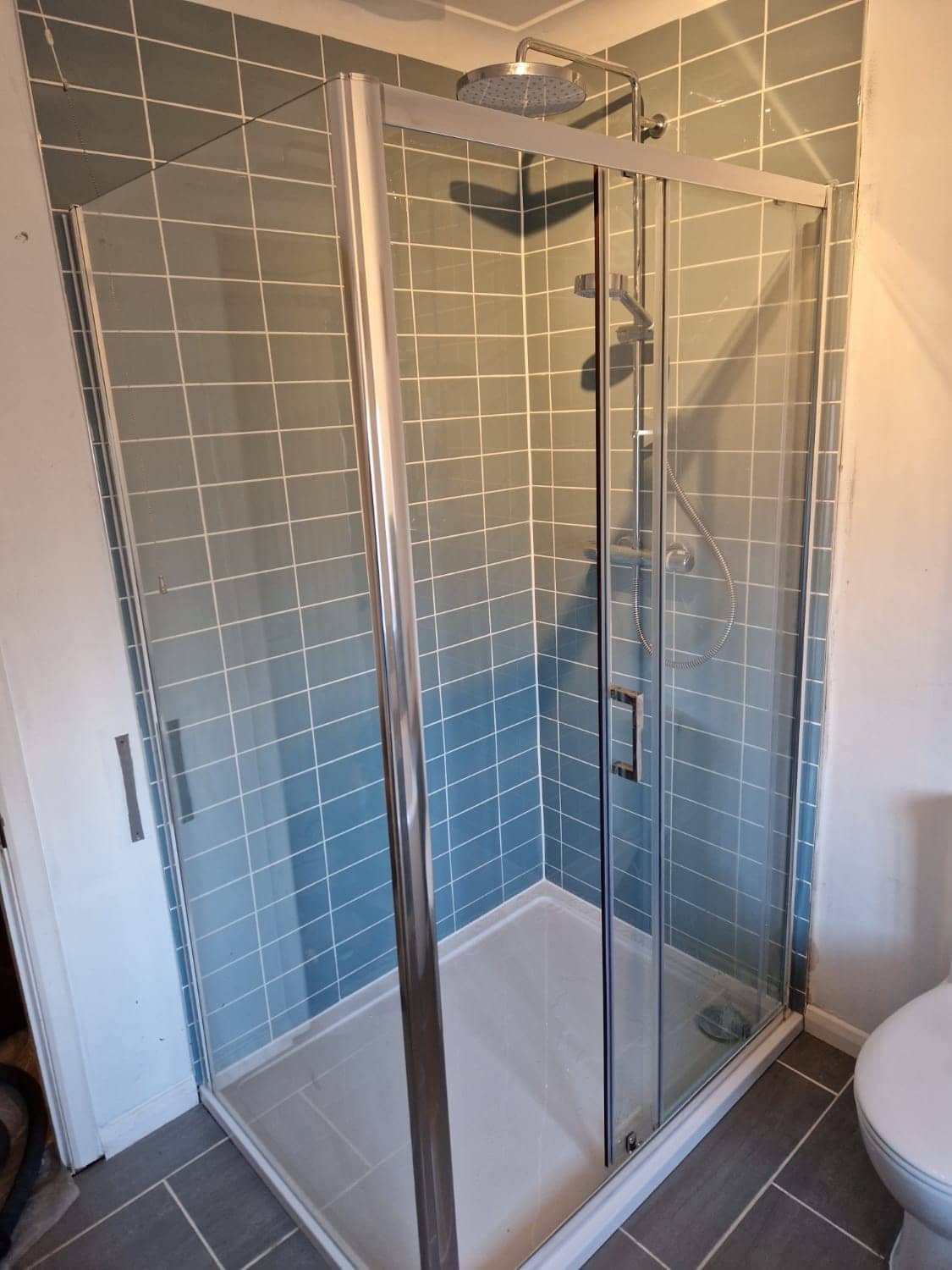
That covers bathrooms, kitchen splashbacks, hallway floors and hearths. Message us with photos of the surfaces and a note of the tile size you like, and we will price the job for free with no obligation.
Watch
How we approach tiling
A 31-second look at the way we work, from our base in Frome to homes in Bath and the villages around it.
In this video
- Walls and floors
- Preparation first
- Level, waterproof, set out
- Metro, porcelain, mosaics
Homes in Bath
Tiling in Bath: what we look out for
- Georgian & period properties
- Tall lime-plaster walls mean a choice between tiling a short way up or committing to a lot of wall, and either way we board in front of the plaster instead of gluing onto it. Setting out starts from the middle, so cuts fall in the corners. Original floors, tiles and fireplaces in a listed house should not be covered or removed without checking consent, so send photos before anything is lifted.
- Victorian & Edwardian terraces
- Many Victorian terraces in Oldfield Park and Larkhall still have an encaustic or quarry tile hall floor, and repairing one usually beats ripping it up. In bathrooms the solid walls can pass damp through to the tile, so we check the wall is dry first. Timber floors are overboarded before any floor tile goes down, and chimney alcoves are tiled from a marked centre line.
- Flats & apartments
- A hard floor in a flat can carry footfall noise down to the neighbours, and some leases ask for an acoustic layer under the tile. That layer and the adhesive add height at the door, so we check the threshold first. Tiles and adhesive are heavy, so we count the stairs and ask about the lift before deciding how many boxes arrive at once.
- 1950s–70s estate homes
- Plain walls and a compact room suit larger tiles with fewer joints. The snag is the surface: textured finishes, loose plaster and old tile adhesive have to come off or be boarded over first. Screeded floors can be uneven or cracked, so we level before tiling. Keep any suspect old floor tile intact and tell us before it is lifted, as some from this period contain asbestos.
Planning in Bath
What to plan for with tiling in Bath
Tap-test every wall first
Knock on the plaster. A dull, hollow sound or a crumbling surface tells you the wall may not hold adhesive, and we may board over it. A damp wall should be dealt with at source before tile goes anywhere near it. Mark any areas that sound different and send us photos, since this alone can change the method and the time needed.
Pick a tile size the wall can take
Large tiles are unforgiving. Every hollow in an old stone or lime wall shows as a ridge between neighbouring tiles, so rooms with uneven walls suit smaller tiles or a levelled board. A smooth backer board changes this, though it takes up a few millimetres of room. Hold a sample against the wall in daylight, and we will talk through what the surface can carry.
Leave room for movement
Timber floors move with the seasons and walls move where they meet floors, so rigid tile and grout cannot run unbroken into every corner. We use flexible sealant at internal corners and where tiles meet baths and trays. Choose a sealant colour you like when you choose the grout, because the two sit side by side.
What customers say
Real reviews from real homeowners
“Pleasant polite tidy, carried out work quickly and efficiently”
“I would highly recommend Krzysztof he was professional, good time keeper and took pride in his work very pleased with the finished Bathroom makeover”
Written reviews are copied word for word from our public Rated People profile. The Google rating comes from our public Google Business Profile.
Getting started
Getting a tiling quote in Bath
- 1Message us on WhatsApp with photos, rough measurements and what you would like done.
- 2We ask anything else we need and give you a free, no-obligation quote. Larger jobs usually need a visit first.
- 3You agree the plan and we book you in. One person, one point of contact, start to finish.
- Our base in Frome
- Main areas
- Local villages
- Also covering
- Areas we cover →
- Frome
- Beckington
- Rode
- Westbury
- Warminster
- Radstock
- Trowbridge
- Bradford on Avon
- Great Elm
- Berkley
- Lullington
- Buckland Dinham
- Whatley
- Nunney
- Chapmanslade
- Mells
- Trudoxhill
- Corsley
- Cloford
- Dilton Marsh
- Witham Friary
- Norton St Philip
- Wanstrow
- Southwick
- North Bradley
- Freshford
- Bratton
- Hilperton
- Midsomer Norton
- Shepton Mallet
- Bath
- Melksham
- Wells
- Keynsham
- Corsham
- Devizes
- Chippenham
- Bristol
Questions
Tiling in Bath: FAQs
Can you tile straight onto lime plaster in a Bath house?
Not as a rule. Lime plaster is soft and breathable, so tile adhesive can fail on it and the tile may trap moisture in the wall. We tap-test the surface and usually fix a backer board in front, which gives a flat, sound base for the tile. In a listed home, ask the council before covering any original wall finish.
Can an original tiled hall floor in a Bath terrace be repaired?
Often, yes. Loose or cracked tiles can be lifted, the bed beneath repaired and matching tiles set back in, which keeps the character of the floor. Similar tiles are sometimes available second-hand. Photograph the floor in daylight, measure any damaged areas and send them to us before anyone starts scrubbing hard or lifting tiles.
How do you tile a wall that is not square or flat?
We set out from the centre line of the wall, not from a corner, and check the surface with a long straight edge. Boarding or a levelling coat can correct moderate waves, and cuts are balanced so no tile ends up as a thin sliver at a corner you will see. Very crooked corners are finished with sealant instead of being forced.
More in Bath
Other services in Bath
Bathroom Fitter in Bath
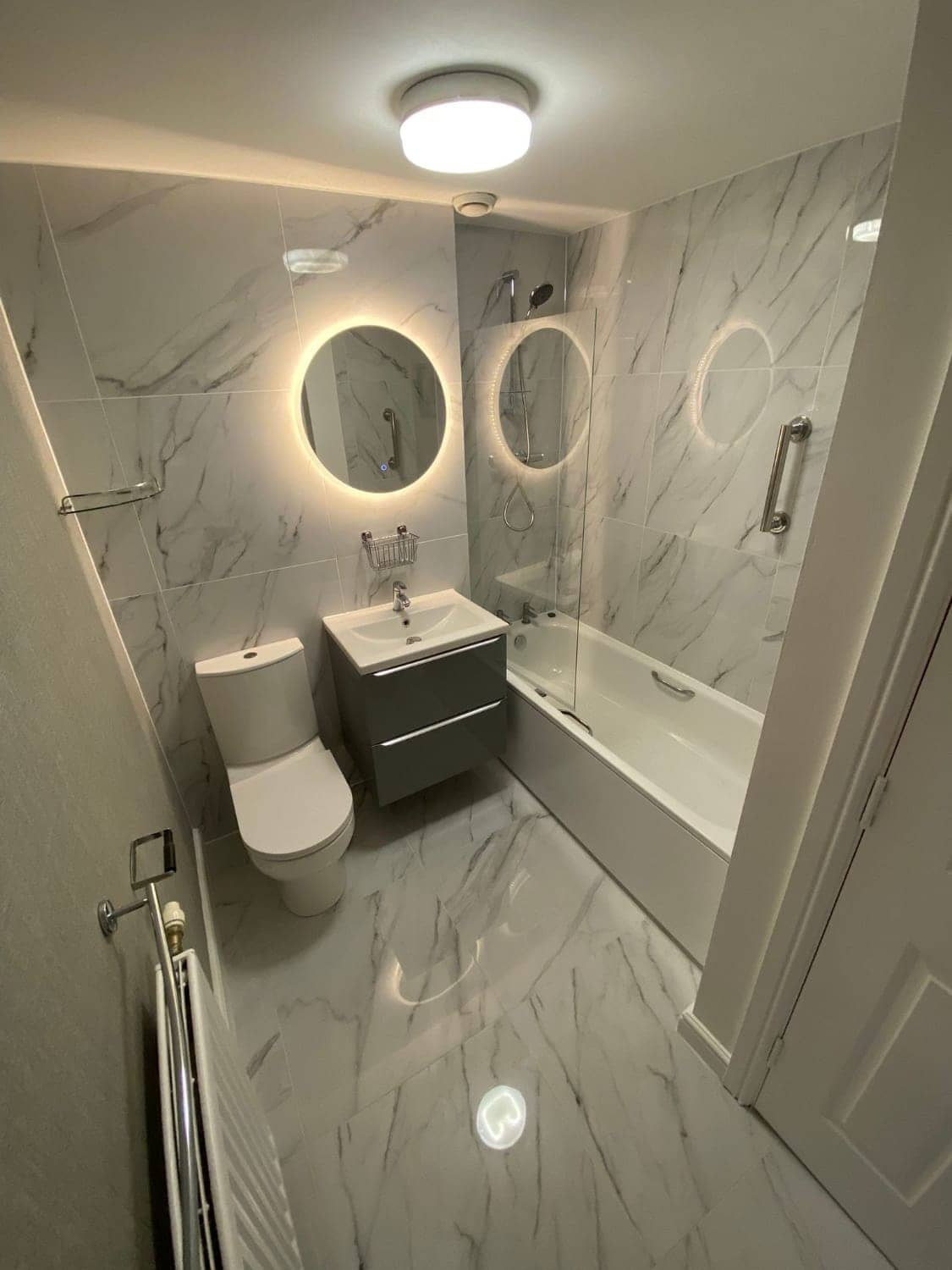
Tall, narrow bathrooms carved from old bedrooms need a plan for the pipes, the floor and the old suite before the new one is ordered.
See details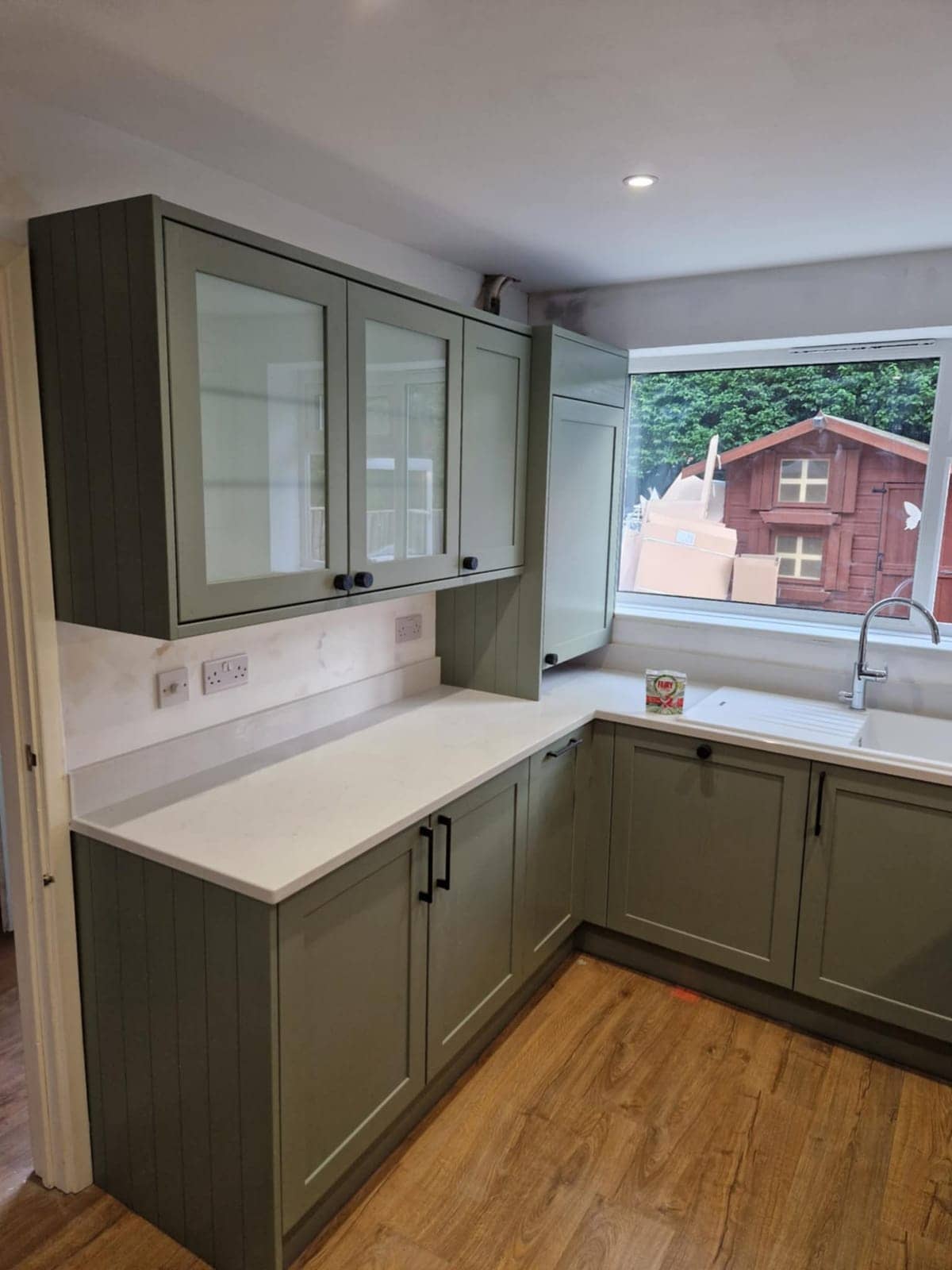
Kitchen Fitter in Bath
Units that must climb Bath’s narrow stairs and then sit true against walls that were never square. We plan the carry, the fixings and the services before anything is ordered.
See details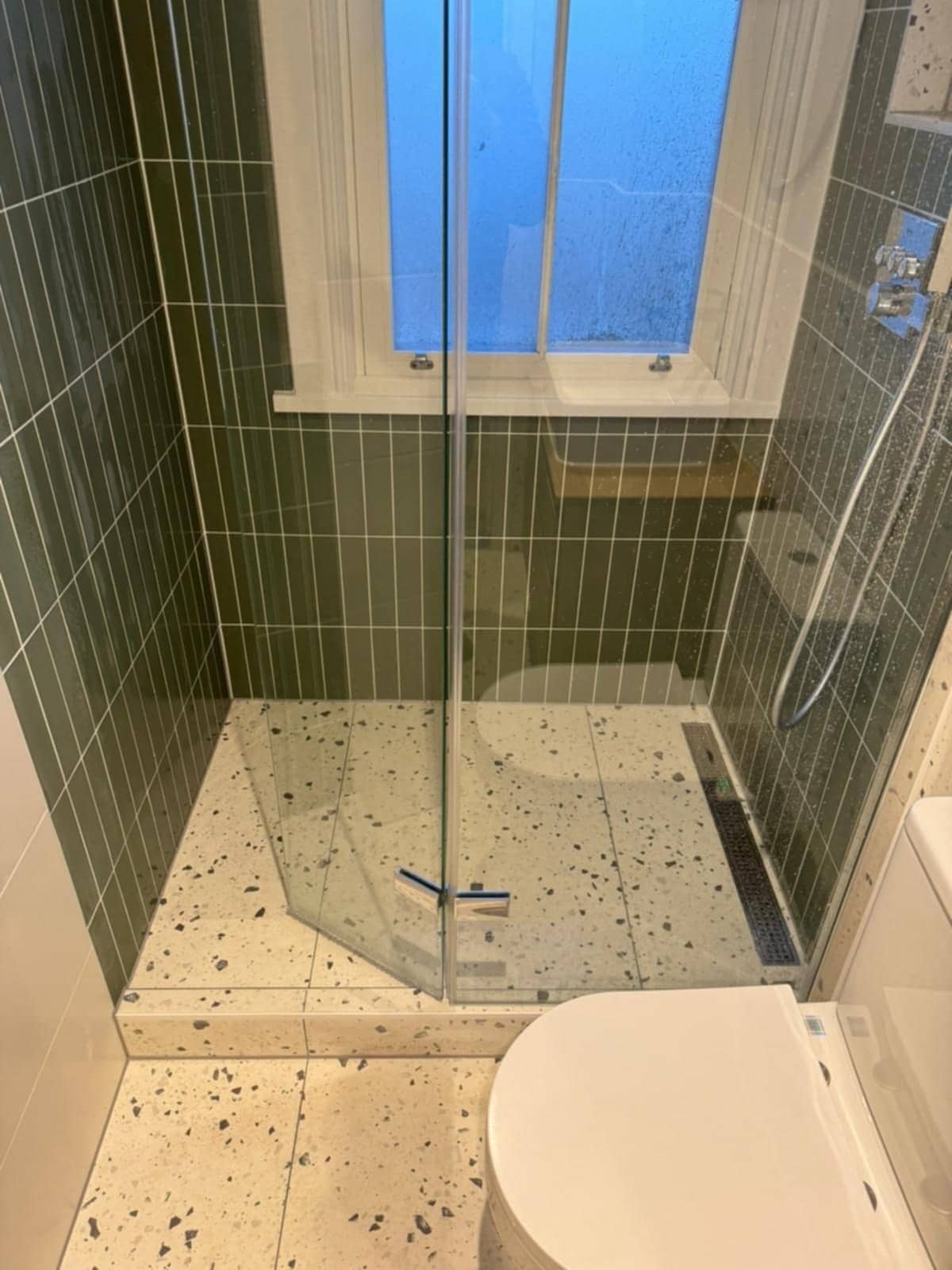
Shower & Wet Room Installer in Bath
A wet room in a Bath period house starts with the floor: joists, falls to the drain and what hangs below. We sort those out before a tile is laid.
See details
Tilers nearby
Villages near Bath
Tilers in other areas
Free, no-obligation
Get your free quote
The quickest route to an accurate price is a WhatsApp message with photos. The more you can tell us, the more precise we can be.
- A few photosThe room as it is now, from the corners, plus anything awkward like pipes, windows or radiators.
- Rough measurementsWall lengths are plenty to start with. We will confirm exact sizes before ordering anything.
- What you wantWhat stays, what goes, any products you have already chosen, and when you would like it done.