Wiltshire · BA13
Tilers in Westbury
Tiles stay put when the wall or floor behind them is right. In Westbury homes that means checking old plaster, flexing boards and uneven screeds first.
Rated Excellent on Rated PeopleTiling in Westbury
Looking for a tiler in Westbury usually means looking for someone who will check the surface before opening a box of tiles. Most failed tiling traces back to what was underneath: loose plaster, a floor that flexes, or a wall that was damp when the adhesive went on. Westbury’s mixture of Victorian terraces, estate houses and newer builds gives us all three in different measure.
On walls we tap for hollow plaster, prime or board where needed, then set out from the middle of the wall so the cuts at each end are balanced. On floors we level, overboard or add a decoupling layer so movement does not travel up into the tile. Then comes adhesive, spacing, grout, and flexible sealant at the joints that move, which is where grout would crack.
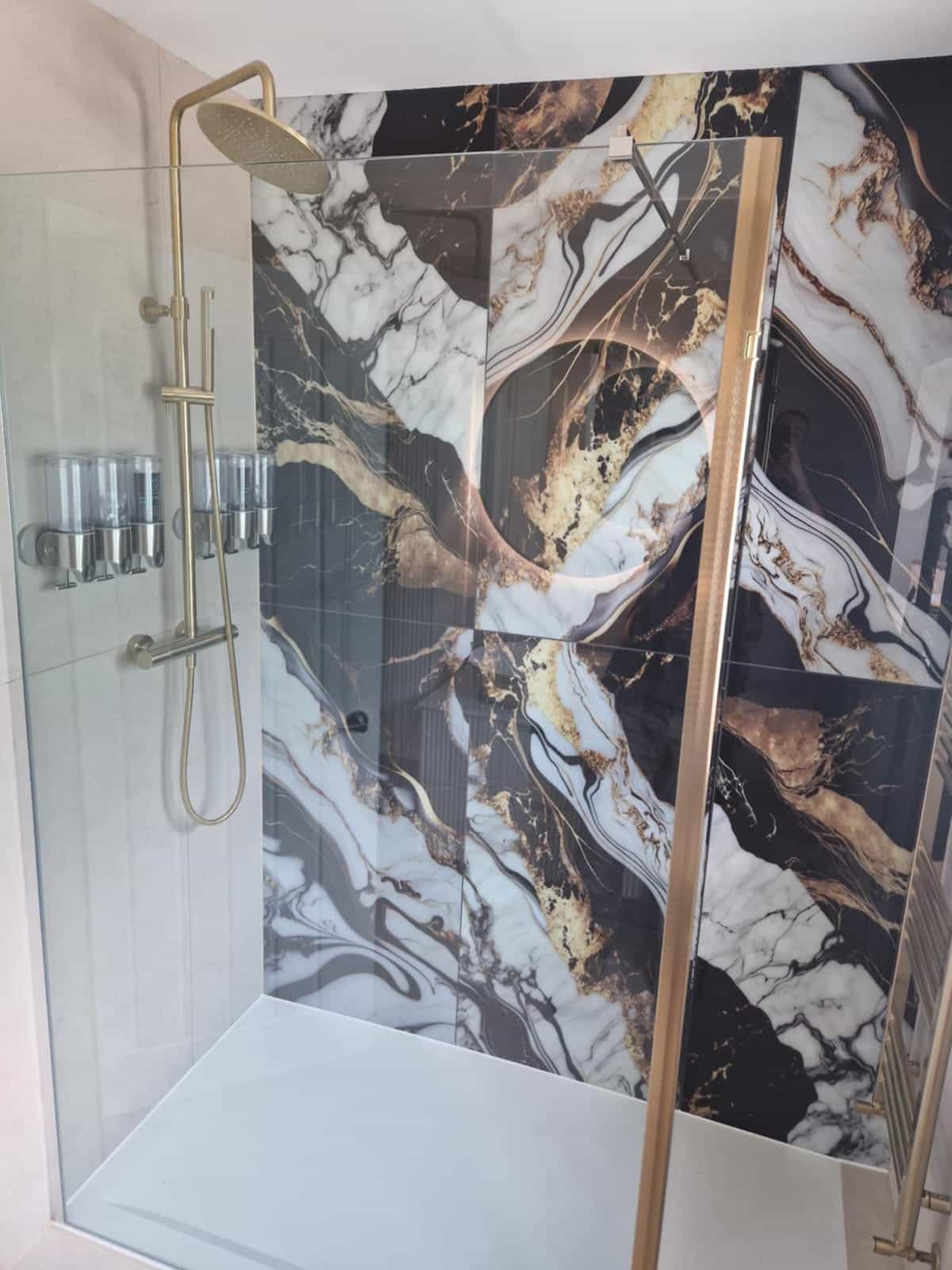
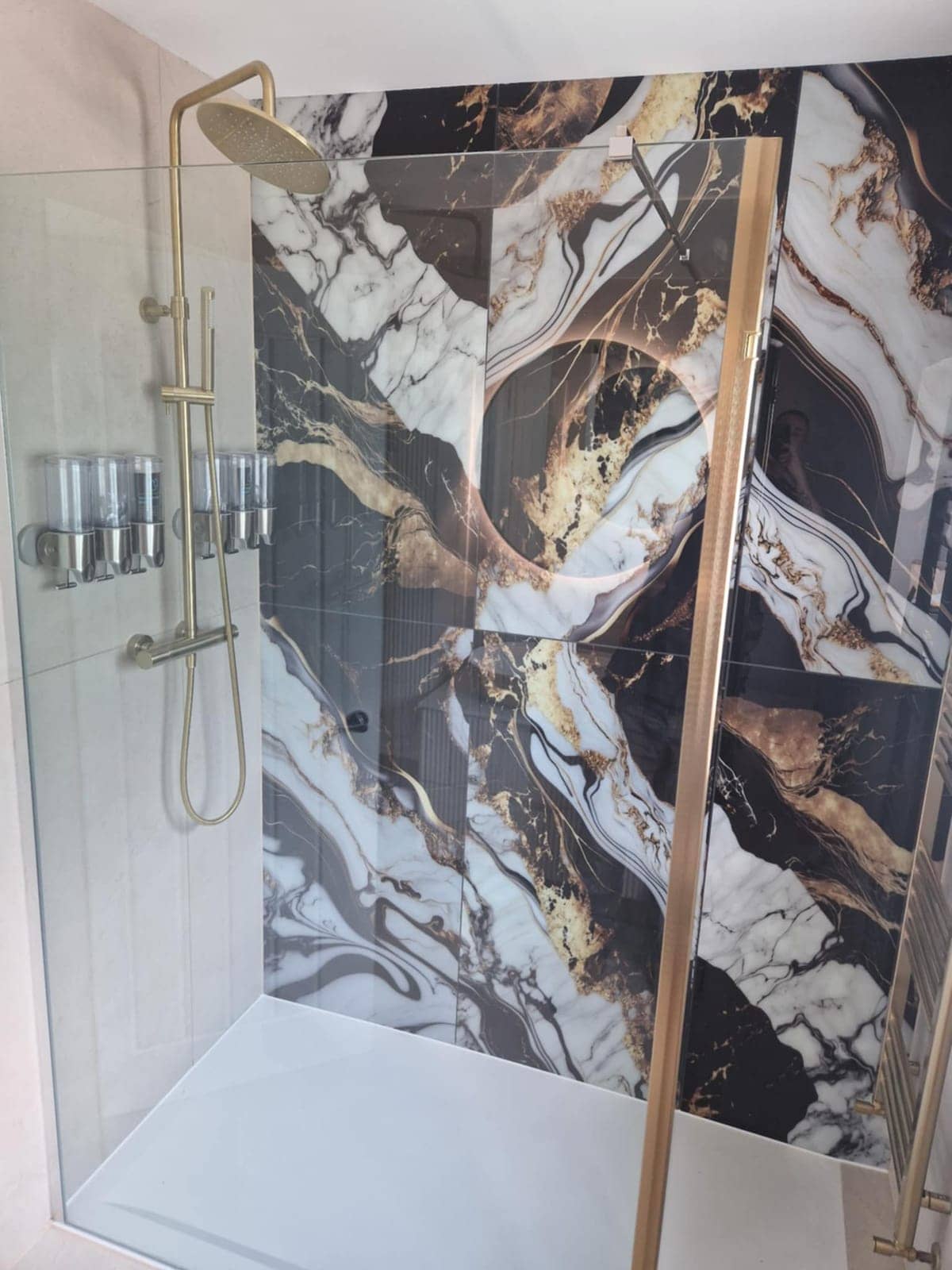
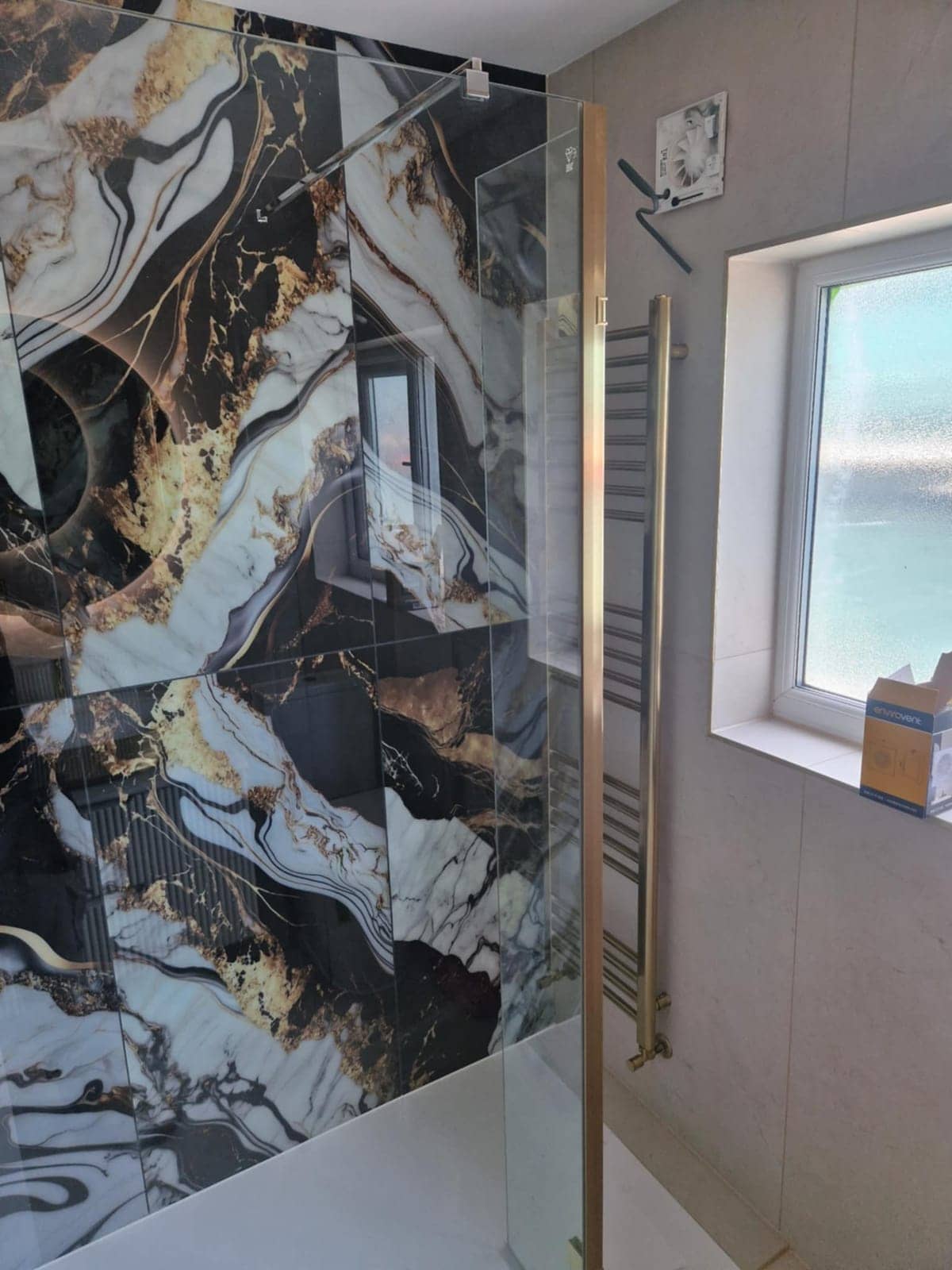
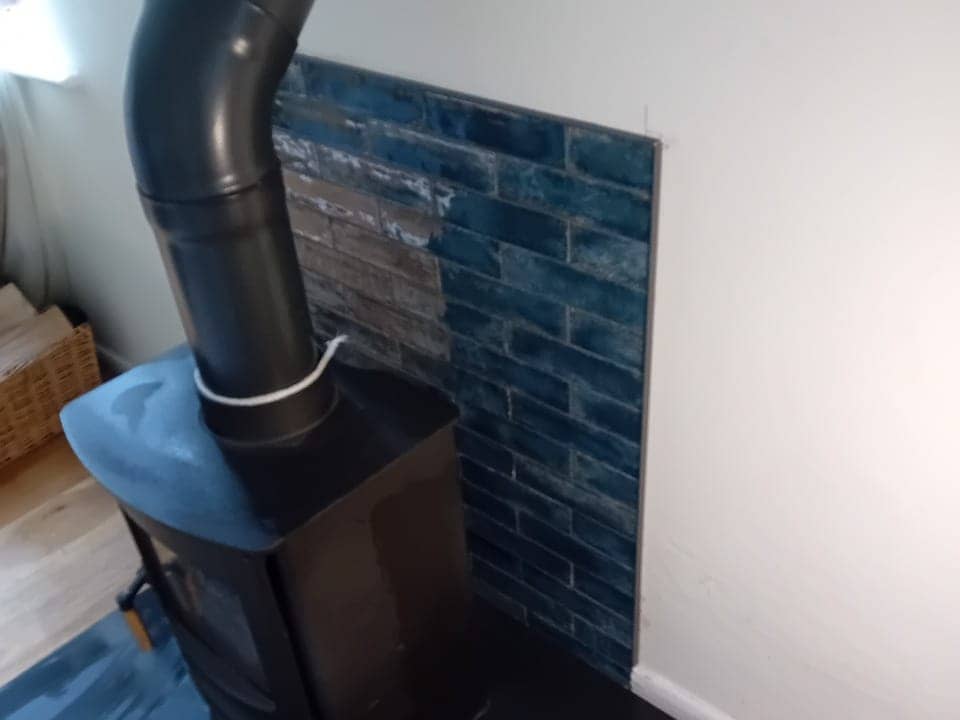
Tile choice affects the work. Large porcelain shows every dip, mosaics follow awkward surfaces, and a heavily textured finish takes more cleaning. Send photos of the room, and a picture of the tile you like, on WhatsApp. We will quote for free with no obligation, and tell you if the surface needs work first.
Watch
How we approach tiling
A 31-second look at the way we work, from our base in Frome to homes in Westbury and the villages around it.
In this video
- Walls and floors
- Preparation first
- Level, waterproof, set out
- Metro, porcelain, mosaics
Homes in Westbury
Tiling in Westbury: what we look out for
- 1950s–70s estate homes
- Estate-house walls in Westbury have usually been skimmed, textured and repaired over the decades, and a surface that looks sound can sound hollow when tapped. Loose areas are cut back and made good before any tile goes on. Floors are often old screed that has cracked or sits uneven, so we check with a straight edge. A smaller tile forgives an imperfect wall, but a large one demands that the surface be corrected.
- Victorian & Edwardian terraces
- Solid walls in older terraces take in moisture, and salts can lift tiles that were stuck to a damp wall. We look for the cause of the damp first, then choose a backer or a breathable approach to suit the wall. Timber floors move, so a tiled floor needs overboarding or a decoupling layer. If the hall still has original floor tiles, send photos before anything is lifted, because repair is often possible.
- Modern & new-build homes
- Plasterboard walls in newer Westbury homes are flat enough to look easy, but not always flat enough for big-format tiles, so we check with a long straight edge. Behind wet areas, boarding rather than plain plasterboard is the sensible base. Chipboard floors flex, which cracks tiles and grout unless the floor is stiffened or overboarded first. Standard room sizes do help us plan the layout with fewer awkward cuts.
- 1920s–30s semis & detached homes
- Bay windows, chimney breasts and alcoves in a 1930s semi mean cuts at awkward angles, so the layout is set out from a central line rather than a corner. Old tiled fireplaces and hearths need removing carefully, and wall tiles often hide hollow plaster. Solid ground floors are a good base for floor tiles once levelled, and with careful setting-out the hall, kitchen and bay can run together.
Planning in Westbury
What to plan for with tiling in Westbury
Set out from the middle
Before the first tile goes on, we dry-lay along both walls and the floor and mark a centre line. That fixes where the cuts fall. On a wall with a window, an alcove or a chimney breast, the layout is nudged until the cut tiles are balanced and no thin sliver ends up beside a door. It takes more time than starting in a corner and looks much better.
Movement joints and flexible floors
Timber and chipboard floors flex, and a rigid tile will crack if the floor moves under it. We stiffen the floor, overboard it or lay a decoupling layer first. Where a wall meets a floor, or a bath meets a wall, we use flexible sealant rather than grout, because that is where movement shows. Let the adhesive set properly before grouting.
Wet areas and what goes behind
Tiles and grout are not waterproof. Behind a shower or around a bath, the wall needs a waterproof backer board or a tanking coat beneath the tiles, with sealed corners and joints. Around a sink, a splashback mostly needs well-sealed edges. Tell us where water will actually land, and we will protect those areas thoroughly and keep to a simpler backing elsewhere.
What customers say
Real reviews from real homeowners
“Pleasant polite tidy, carried out work quickly and efficiently”
“I would highly recommend Krzysztof he was professional, good time keeper and took pride in his work very pleased with the finished Bathroom makeover”
Written reviews are copied word for word from our public Rated People profile. The Google rating comes from our public Google Business Profile.
Getting started
Getting a tiling quote in Westbury
- 1Message us on WhatsApp with photos, rough measurements and what you would like done.
- 2We ask anything else we need and give you a free, no-obligation quote. Larger jobs usually need a visit first.
- 3You agree the plan and we book you in. One person, one point of contact, start to finish.
- Our base in Frome
- Main areas
- Local villages
- Also covering
- Areas we cover →
- Frome
- Beckington
- Rode
- Westbury
- Warminster
- Radstock
- Trowbridge
- Bradford on Avon
- Great Elm
- Berkley
- Lullington
- Buckland Dinham
- Whatley
- Nunney
- Chapmanslade
- Mells
- Trudoxhill
- Corsley
- Cloford
- Dilton Marsh
- Witham Friary
- Norton St Philip
- Wanstrow
- Southwick
- North Bradley
- Freshford
- Bratton
- Hilperton
- Midsomer Norton
- Shepton Mallet
- Bath
- Melksham
- Wells
- Keynsham
- Corsham
- Devizes
- Chippenham
- Bristol
Questions
Tiling in Westbury: FAQs
Can you tile over my existing tiles?
Sometimes, but it is not always wise. Old tiles need to be firm, flat and clean, and a second layer adds thickness at doors, windowsills and trims. Often it is better to strip them, which also lets us see the wall underneath. In an estate house with textured or patched walls we usually prefer to remove and repair first.
Do I need to level the floor before tiling?
Usually yes. Tiles need a flat, firm base, and older floors tend to be uneven, whether that is a dipped timber floor in a terrace or a cracked screed in an estate house. We check with a straight edge, then level with compound, overboard or add a decoupling layer, whichever suits the floor.
Which tile size suits a small estate-house bathroom?
Larger tiles mean fewer grout lines, which can make a small room look calmer and easier to clean, but they need flatter walls. If the surface is rough or patched, a mid-size tile hides that better. We check the walls first, then suggest a size, and we can lay the tiles out dry so you can see how the cuts fall.
More in Westbury
Other services in Westbury
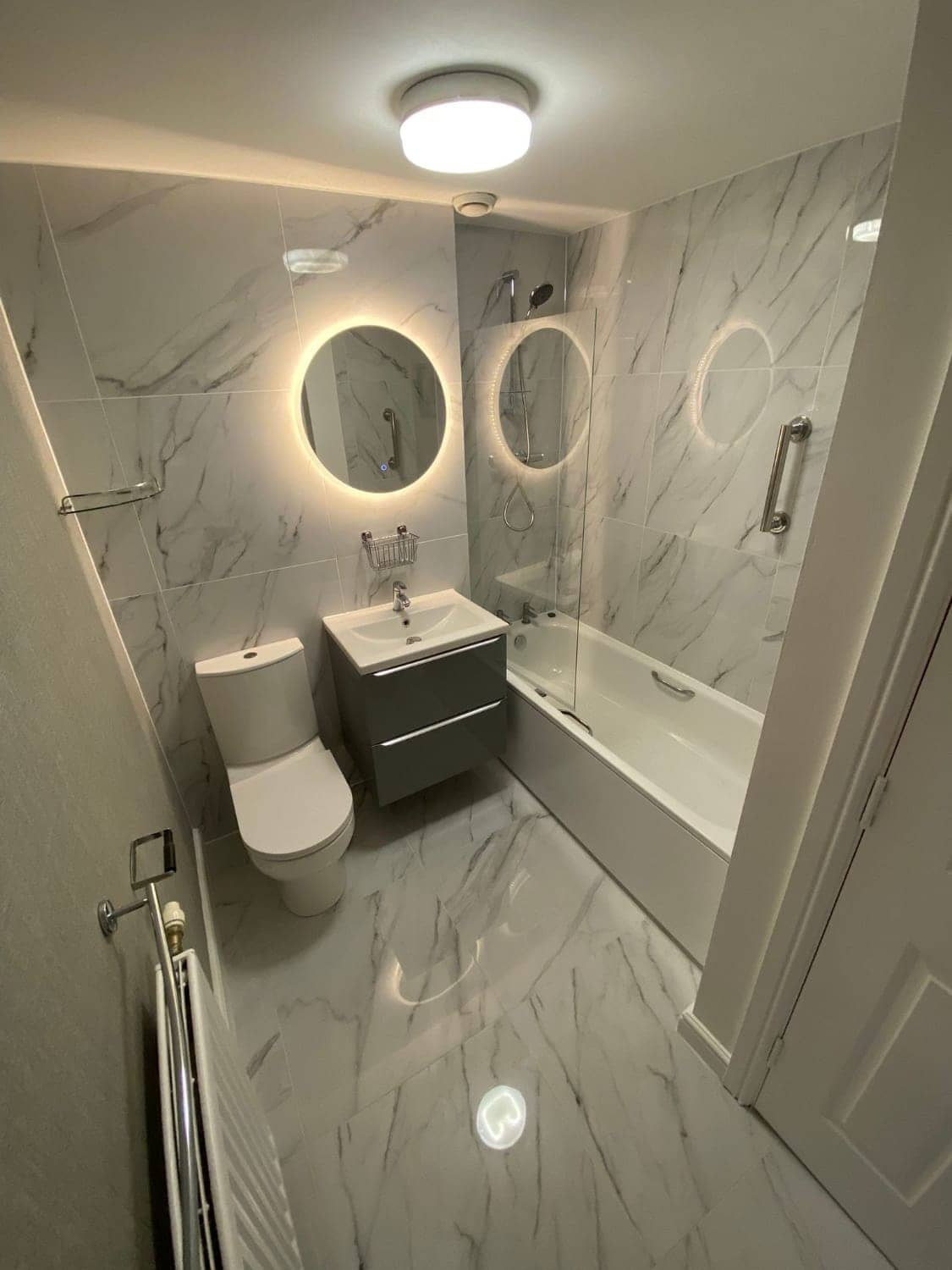
Bathroom Fitter in Westbury
A bathroom refit in Westbury usually means a small room, an older floor and plenty of pipes. We strip, plumb, tile and finish the lot ourselves.
See details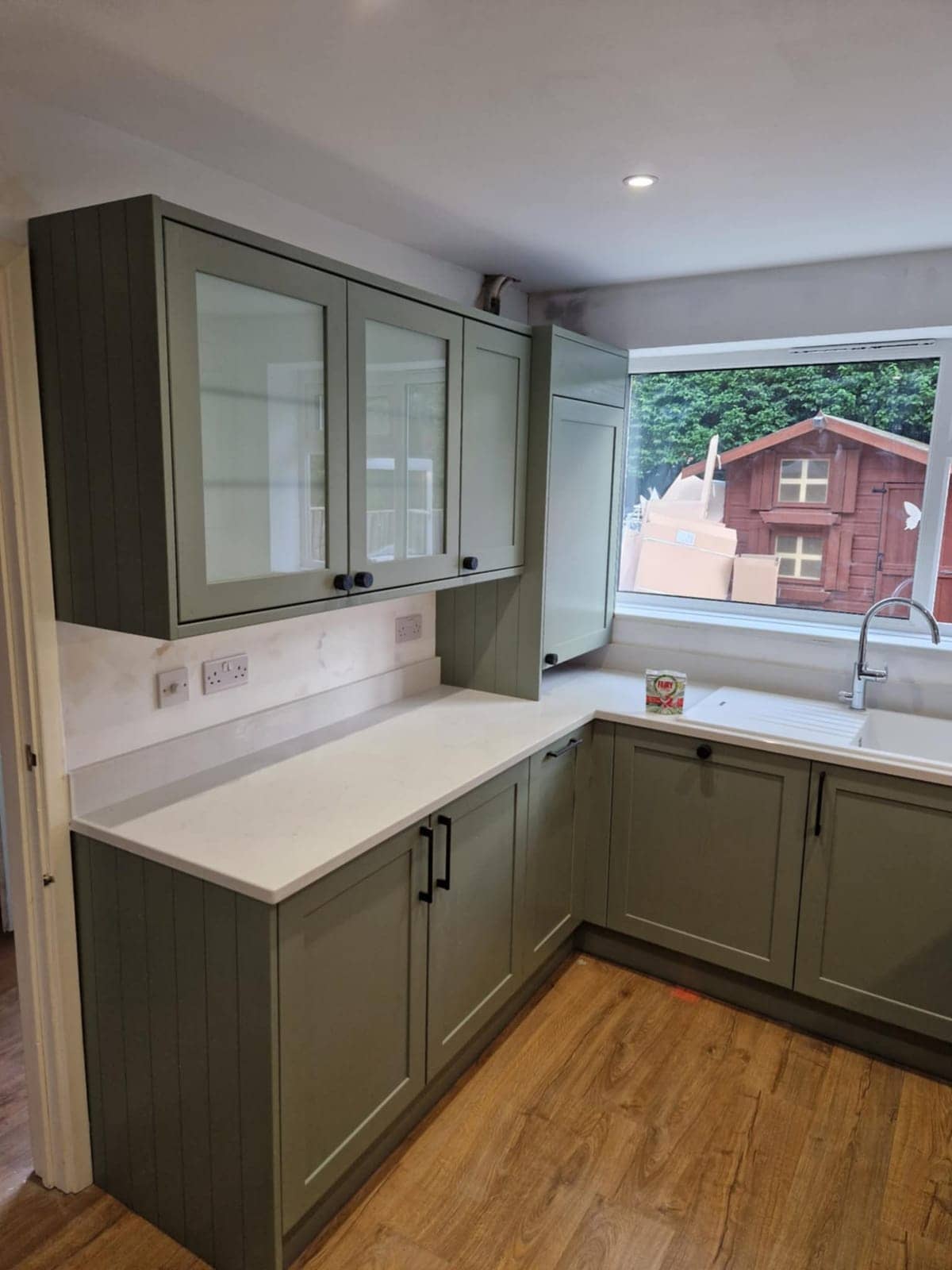
Kitchen Fitter in Westbury
Kitchens in Westbury homes tend to start as small, boxy rooms. We refit them so the layout, the services and the finish all work for how you cook.
See details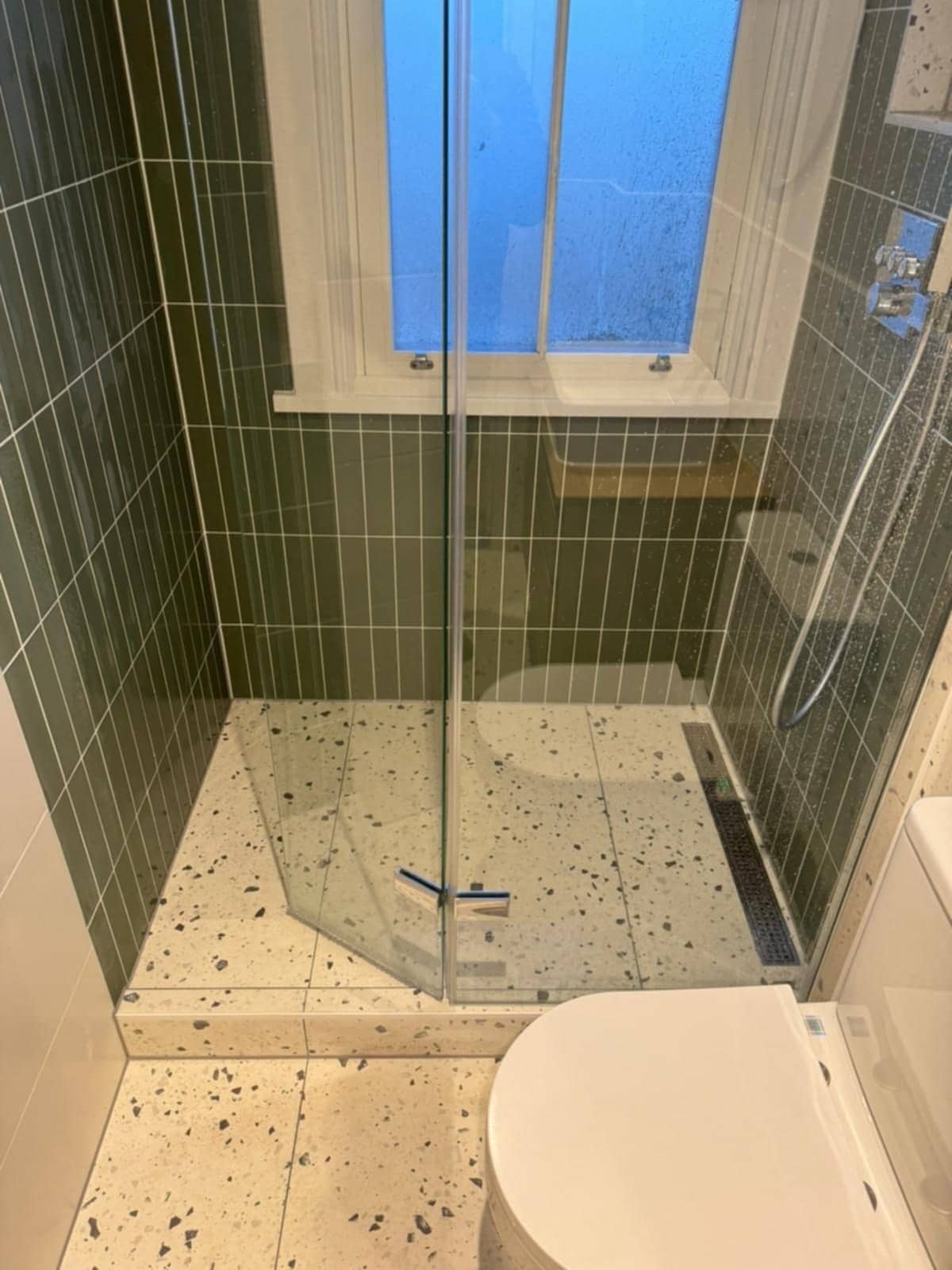
Shower & Wet Room Installer in Westbury
A walk-in shower in a Westbury home starts with the floor and the drain. Get those right and the tray, tanking and screen follow.
See details
Tilers nearby
Villages near Westbury
Tilers in other areas
Free, no-obligation
Get your free quote
The quickest route to an accurate price is a WhatsApp message with photos. The more you can tell us, the more precise we can be.
- A few photosThe room as it is now, from the corners, plus anything awkward like pipes, windows or radiators.
- Rough measurementsWall lengths are plenty to start with. We will confirm exact sizes before ordering anything.
- What you wantWhat stays, what goes, any products you have already chosen, and when you would like it done.